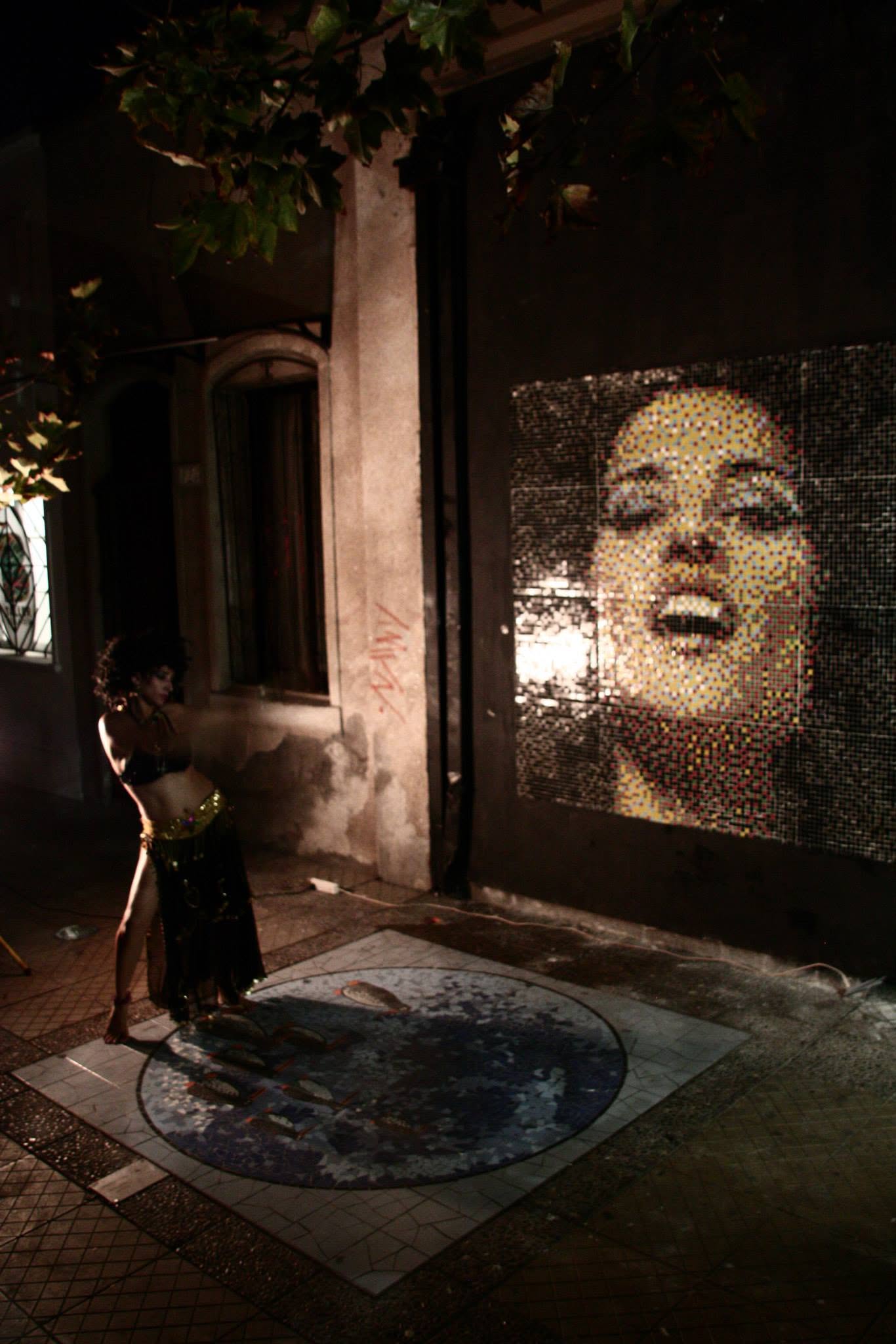
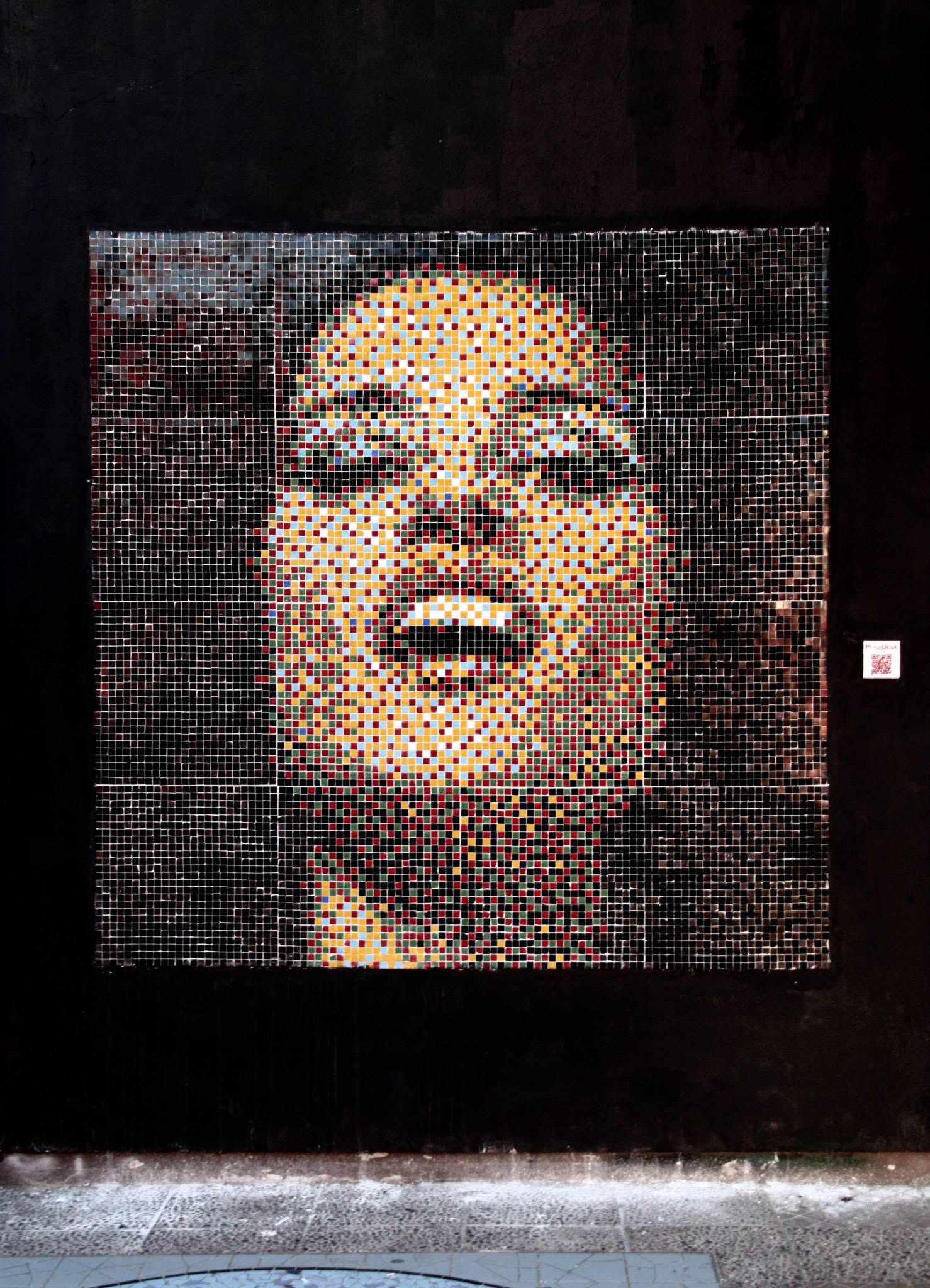
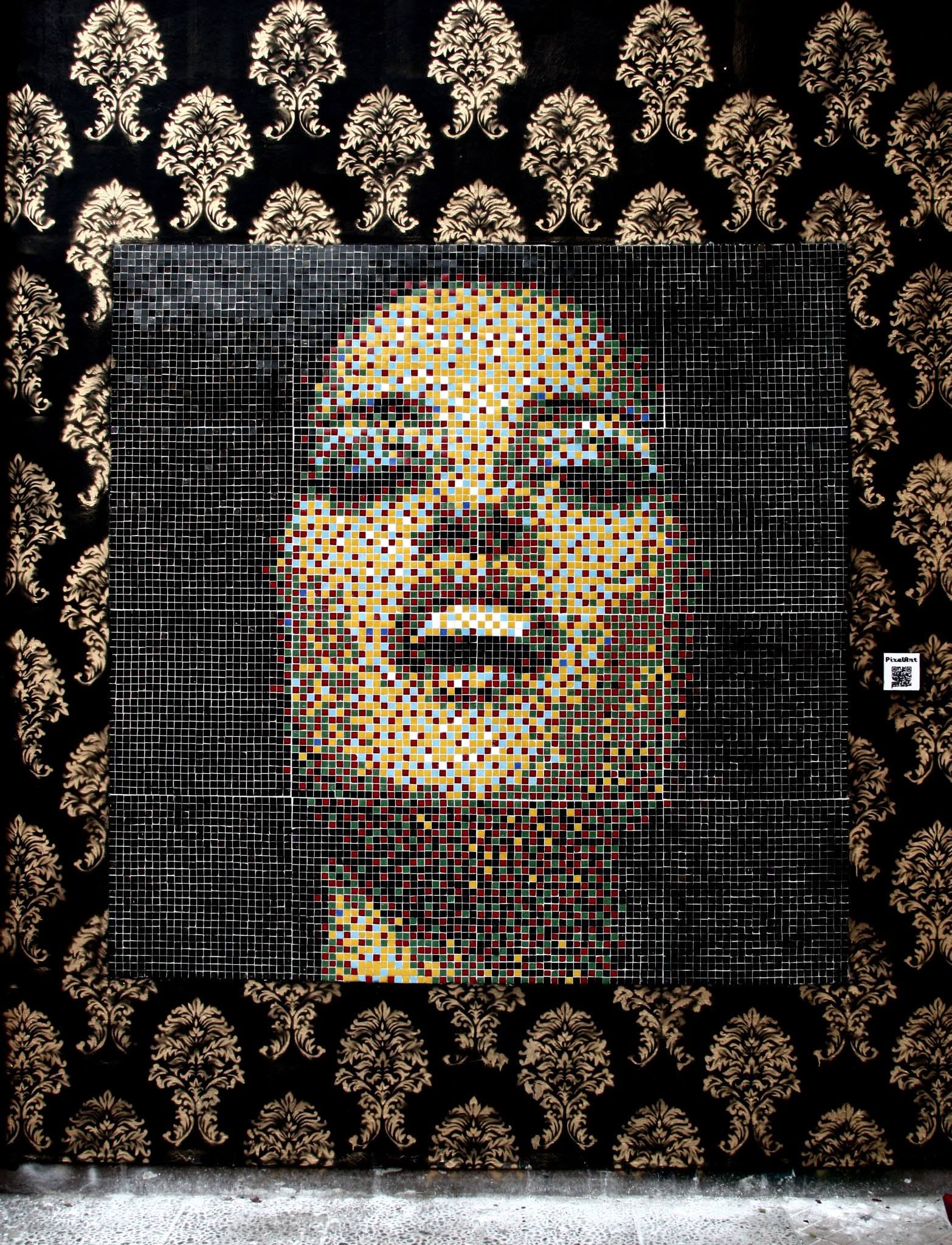
Large-scale mosaic intervention exploring desire, sensuality and symbolic corruption through a fragmented female portrait oscillating between beauty, attraction and the psychological tensions associated with the Kali Yuga era.
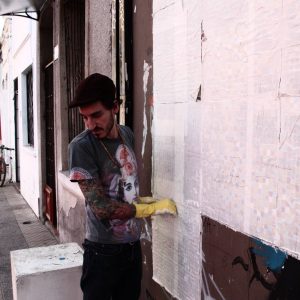
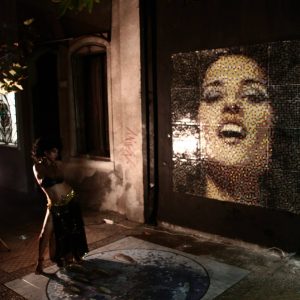
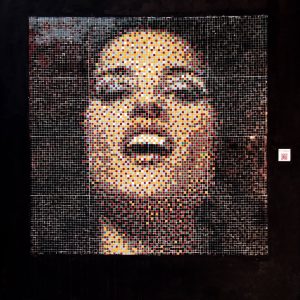
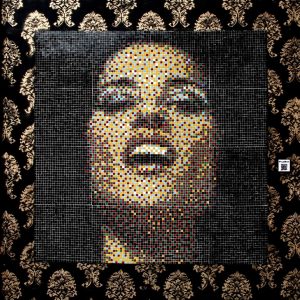
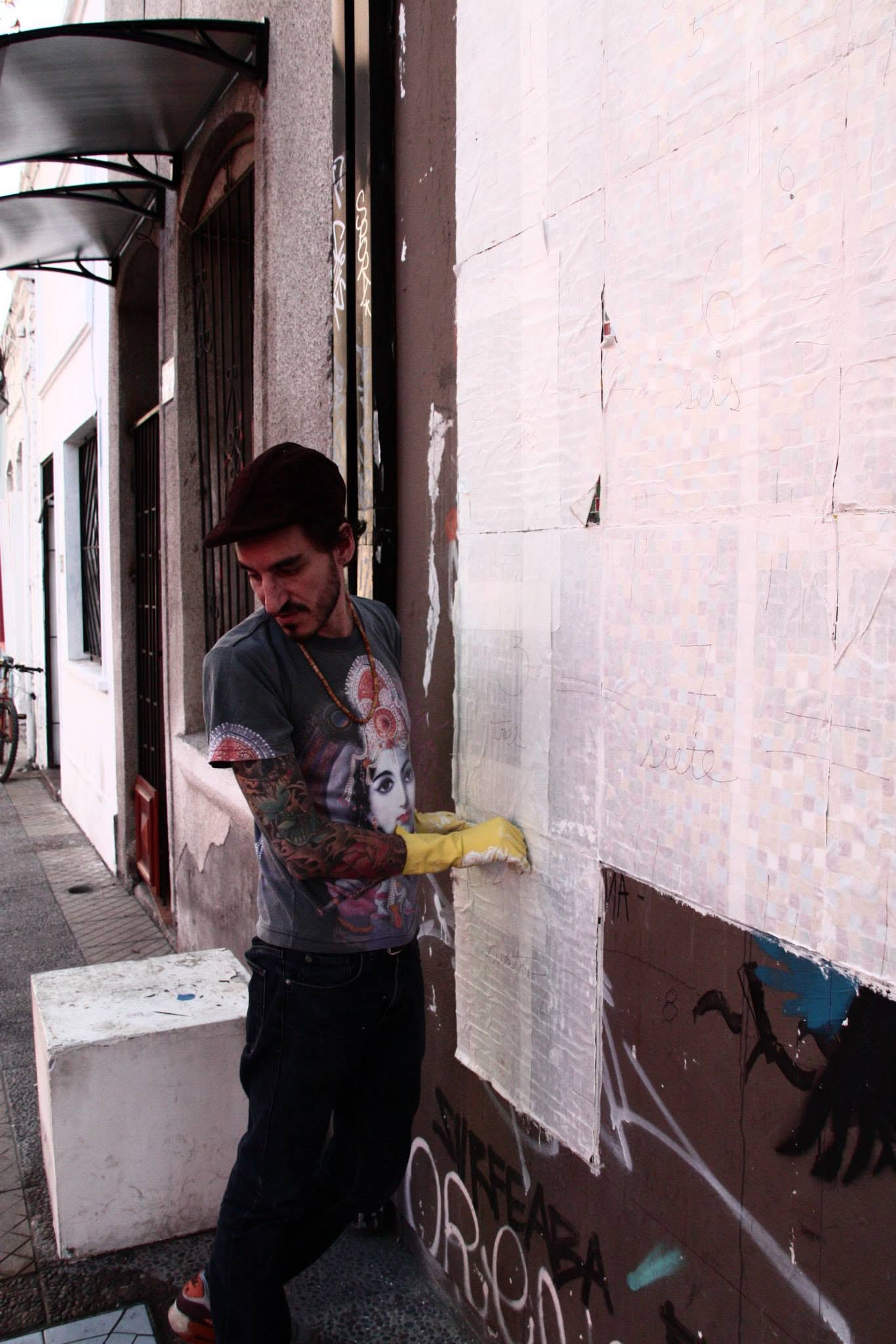
Installed as part of the artist’s ongoing urban mosaic practice, Kali Yuga explores the complex relationship between attraction, perception and symbolic desire through a large-scale pixel-based portrait. Constructed from thousands of individually placed glass tesserae, the image emerges gradually from fragmentation, transforming a familiar visual subject into an investigation of psychological projection and collective fascination.
The title references the concept of Kali Yuga from Vedic literature, often described as an age characterized by confusion, material attachment and the dominance of external appearances. Rather than functioning as a religious statement, the work uses this symbolic framework to reflect on contemporary image culture, where attention, desire and identity are increasingly mediated through visual consumption.
The portrait operates within a deliberate tension between revelation and concealment. From a distance, the image appears cohesive and seductive; at close range it dissolves into a system of discrete units, exposing the underlying structure that produces the illusion. This oscillation mirrors the broader themes of the work, inviting reflection on the relationship between appearance and reality, attraction and self-control, projection and perception.
Executed through traditional indirect mosaic techniques, Kali Yuga extends the artist’s ongoing investigation into symbolic invocation, image persistence and the migration of psychological archetypes into public space. Positioned between urban intervention, contemporary mosaic and digital aesthetics, the work transforms a portrait into a meditation on desire, illusion and the visual condition of contemporary life.