Blockchain systems

Collectible archives and post-digital image circulation

Verified creator on OpenSea during the platform’s early validation period, awarded through demonstrated sales history and public artistic recognition.

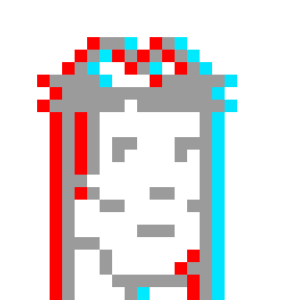
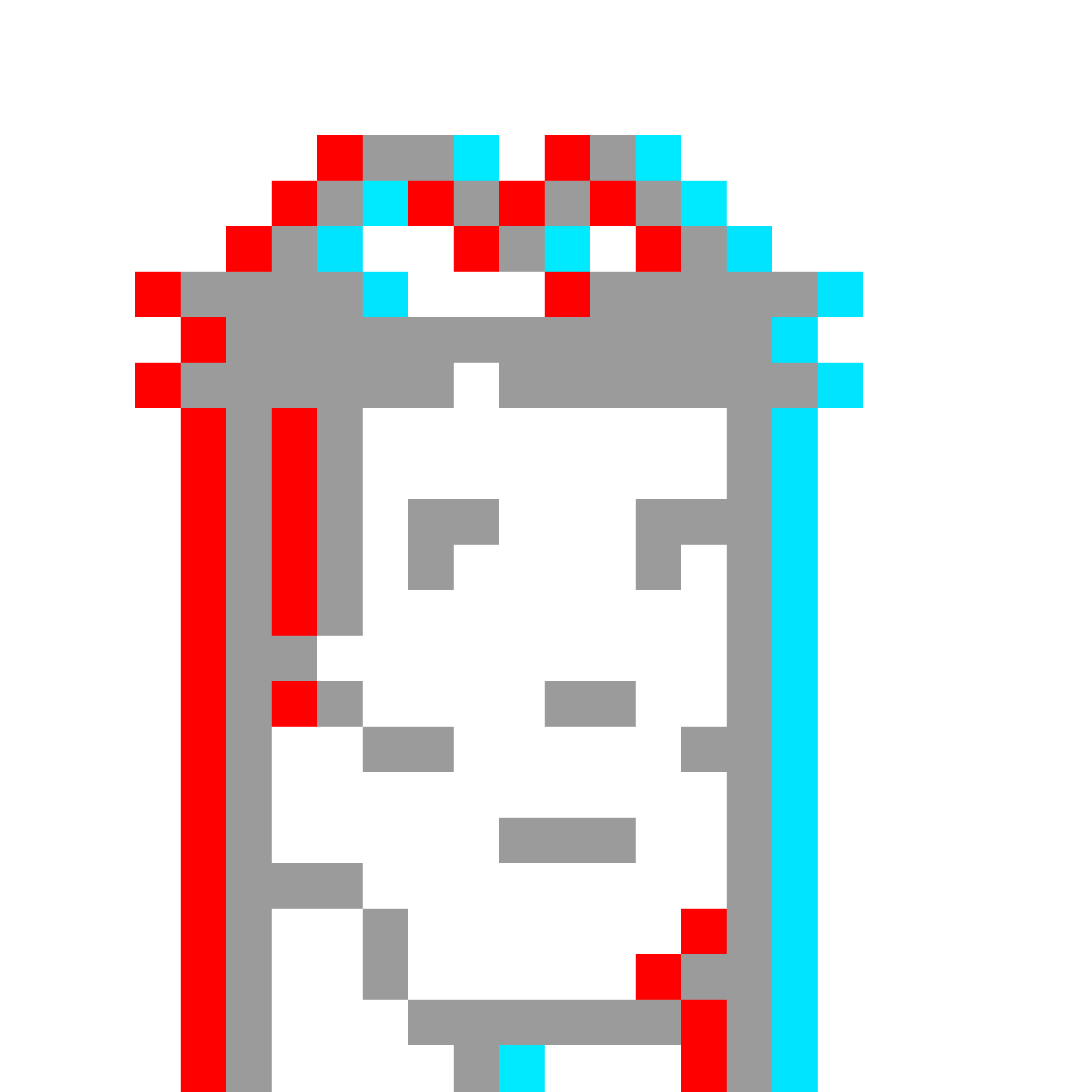
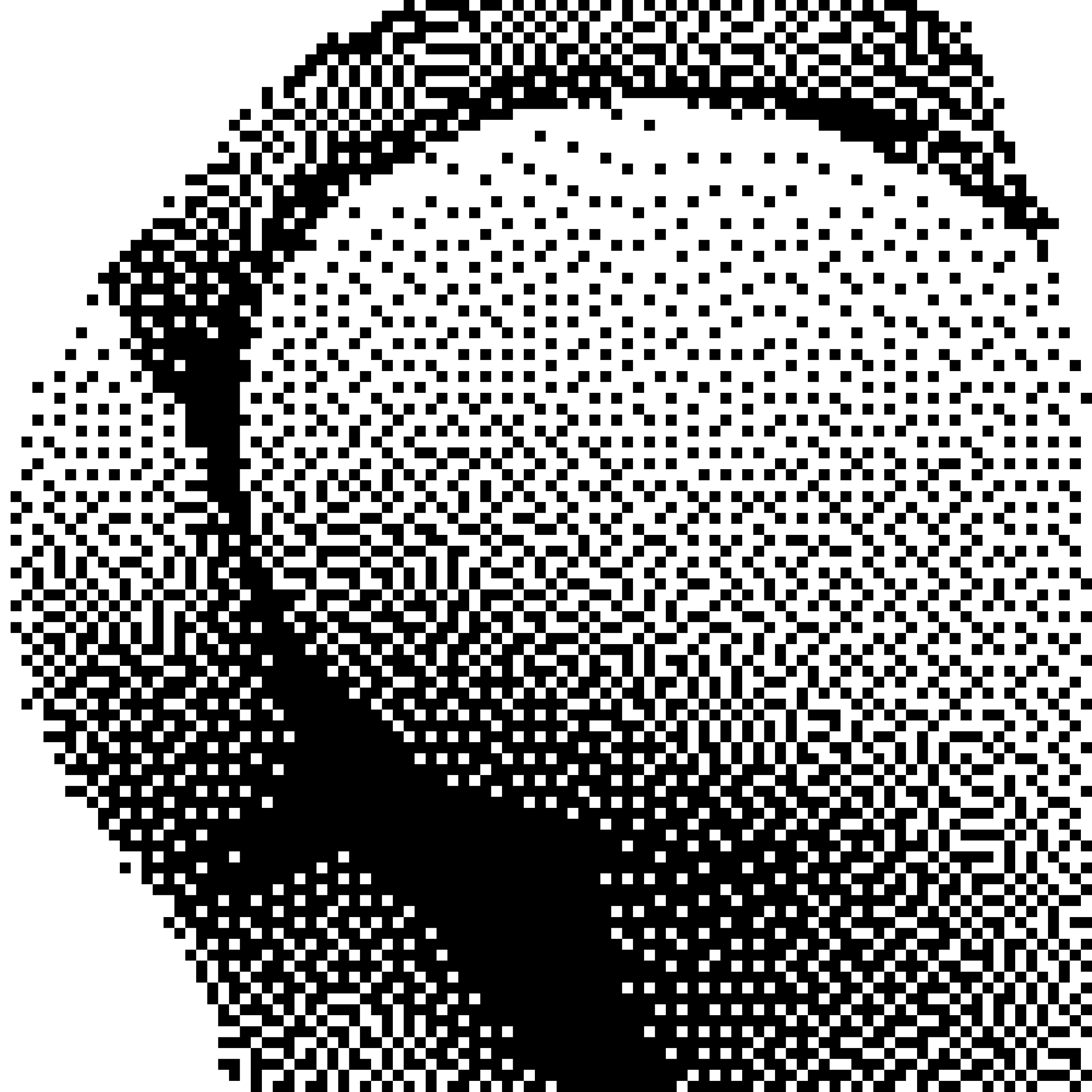
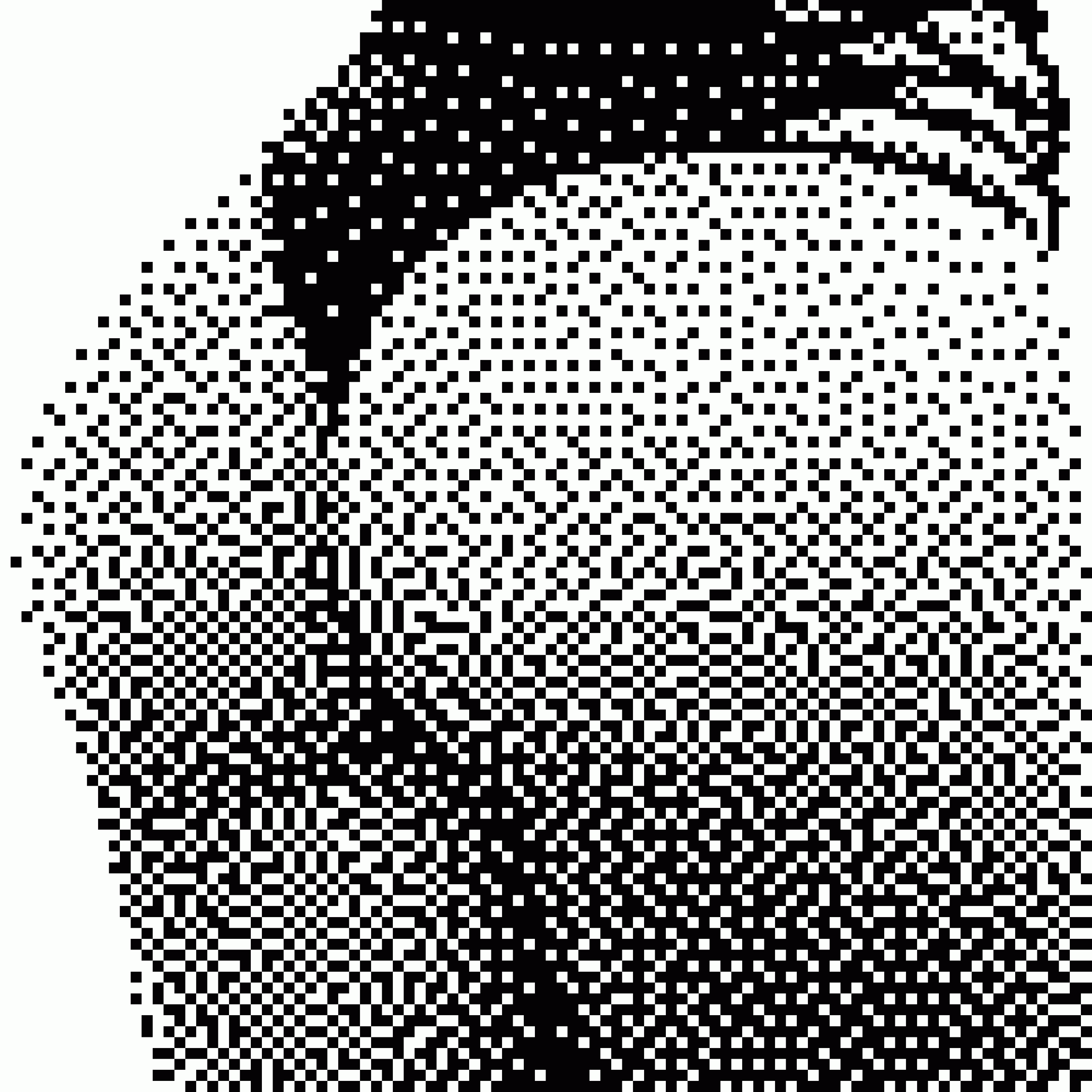
jesuscrypto by pixelart

SYSTEM 01

JESUSCRYPTO

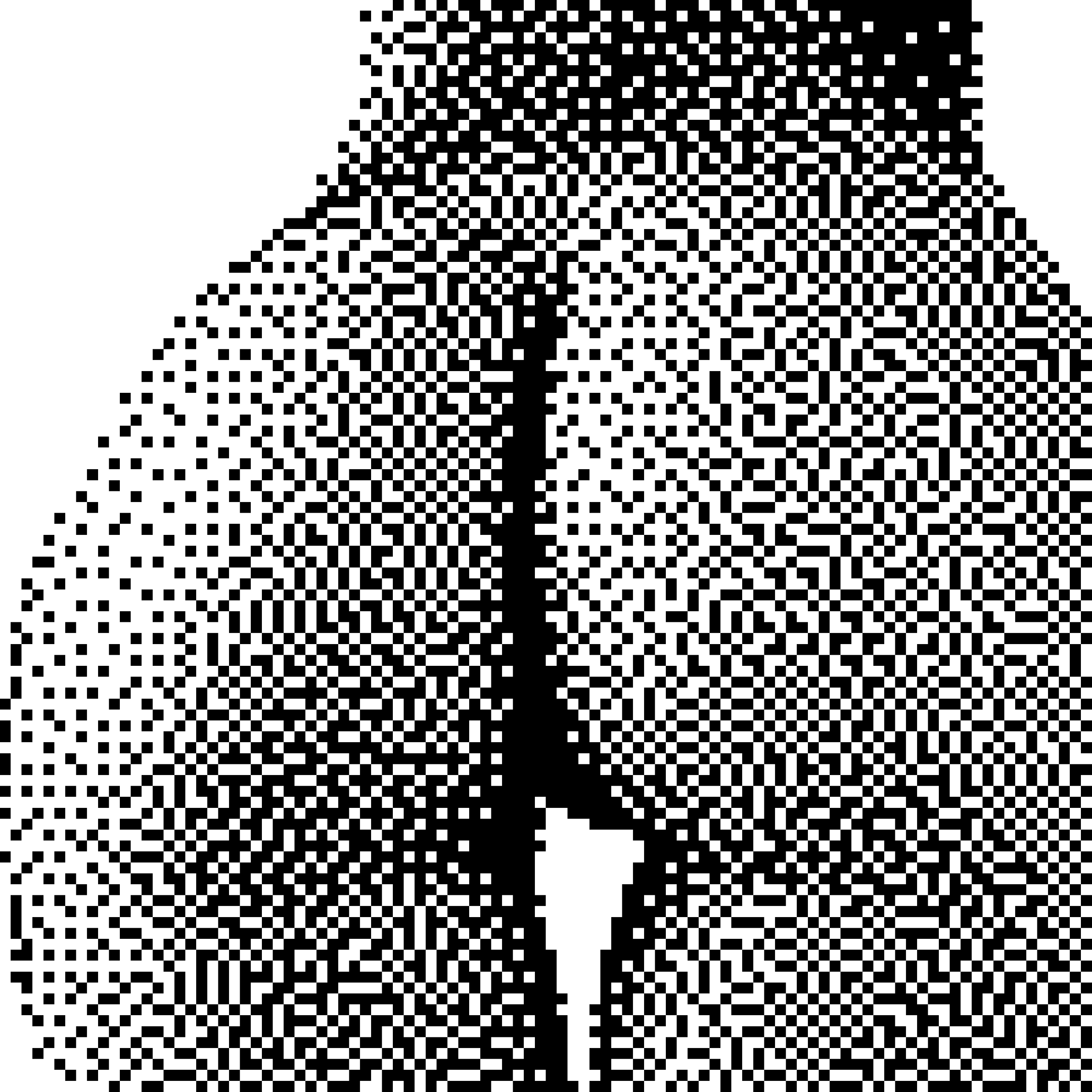
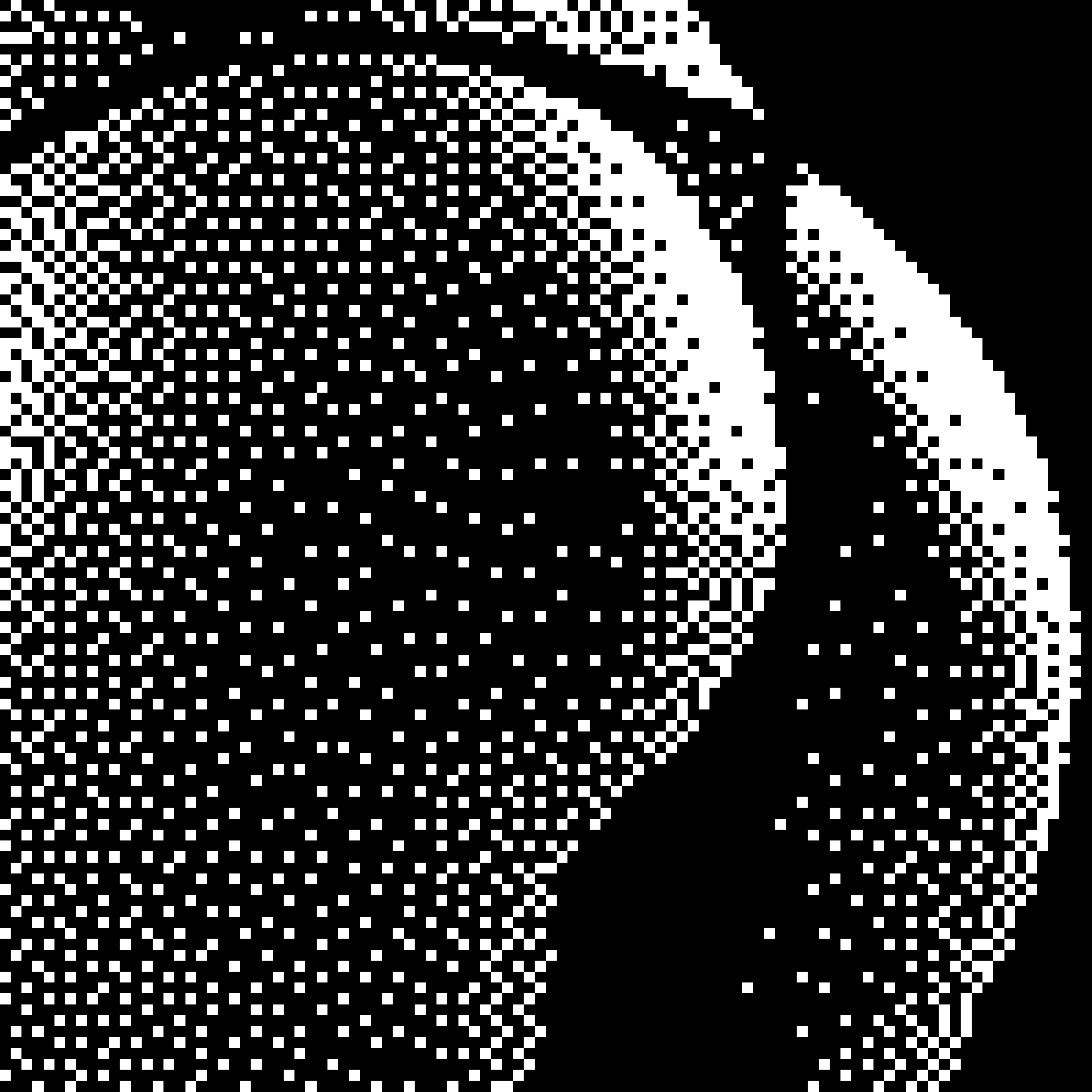
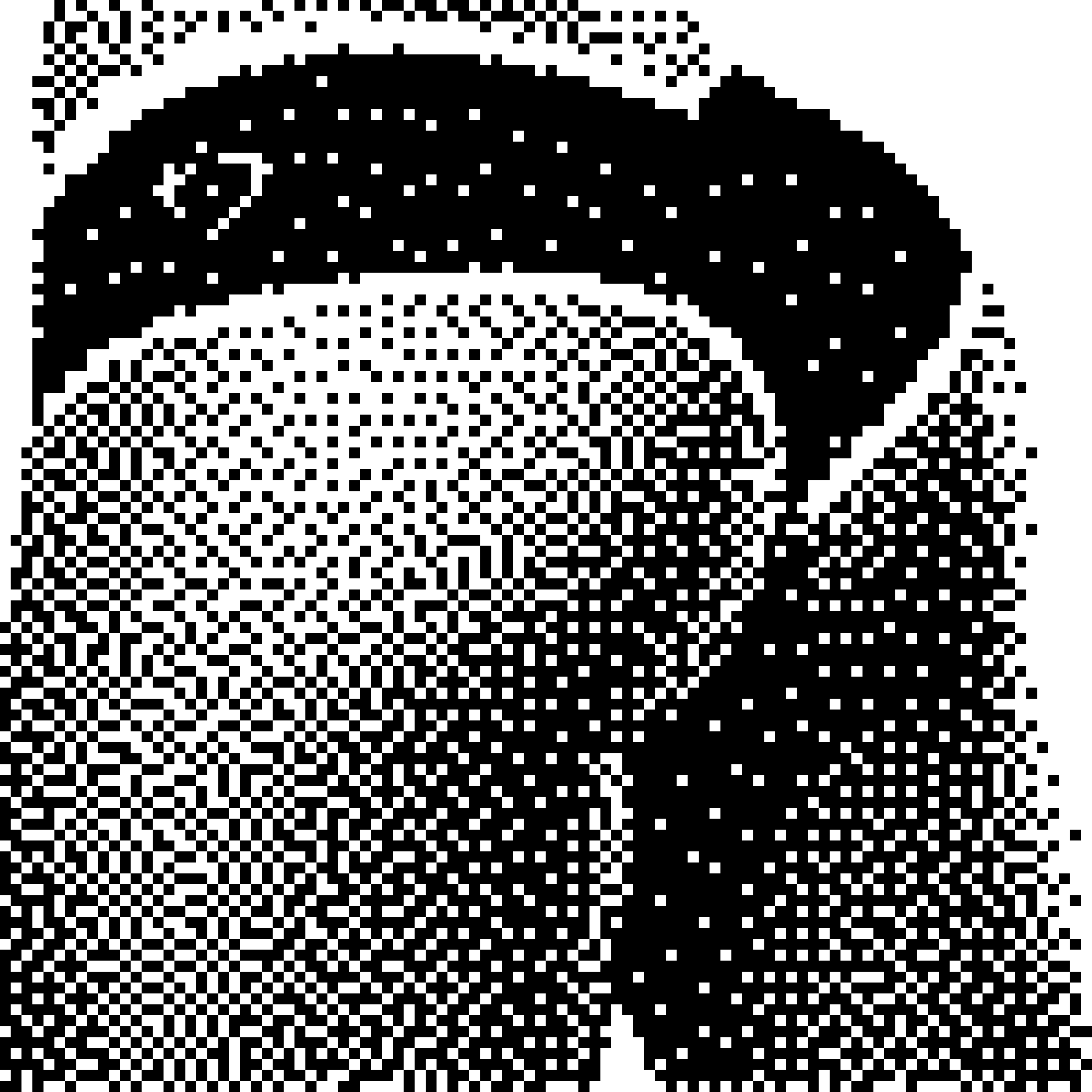
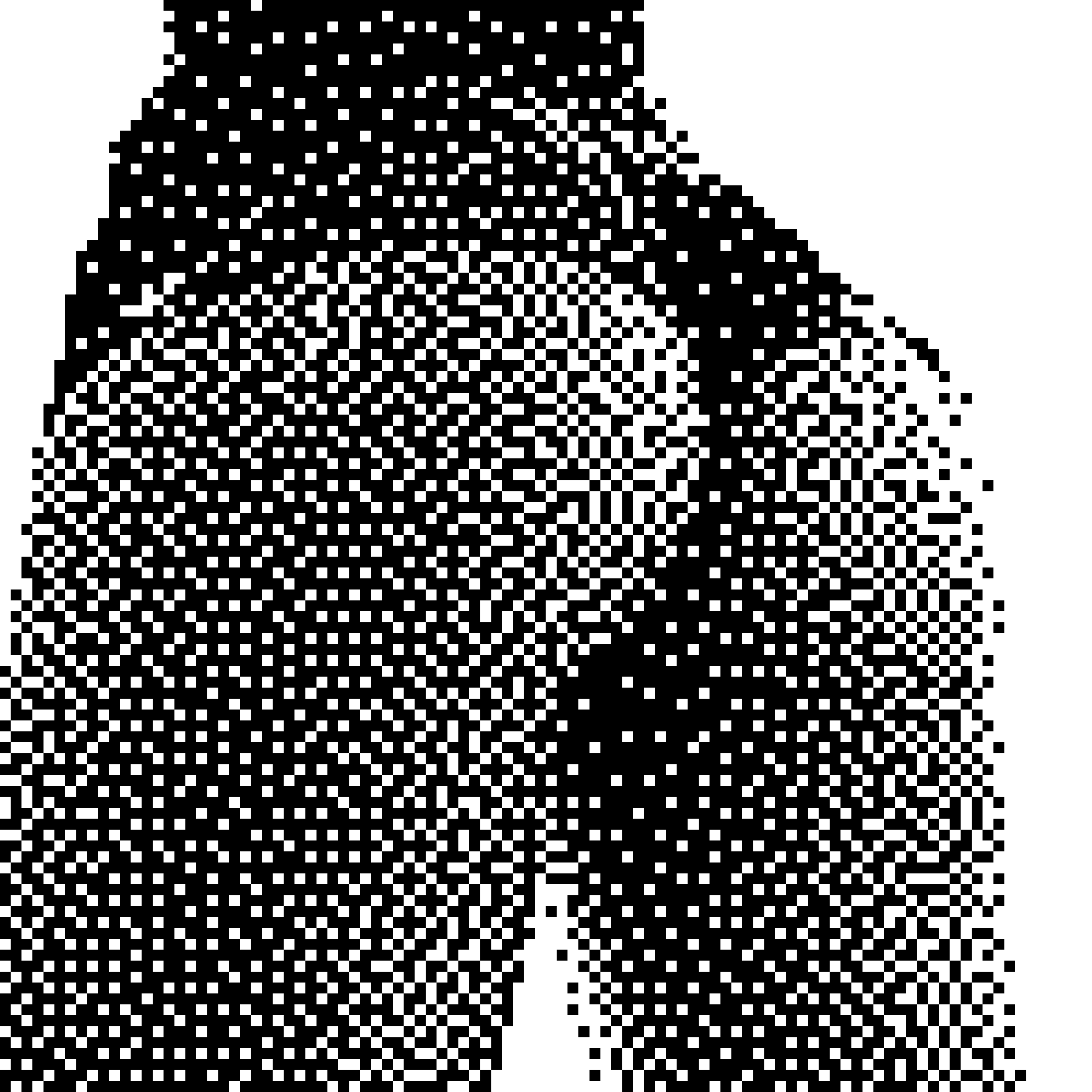
Created during the first expansion of Ethereum-based art markets, JesusCrypto appropriated the visual grammar of early profile-picture collections while introducing religious symbolism, internet culture and handcrafted pixel construction into a new identity system.
Rather than functioning as a generative collection, each character was individually constructed pixel by pixel, operating simultaneously as portrait, parody, collectible and cultural remix.
The archive ultimately reached 58 unique characters, with 36 works acquired during the formative years of NFT culture. Today the collection remains permanently capped due to the limitations of OpenSea’s original lazy-minting system, transforming the archive into a fixed historical artifact of the early blockchain art ecosystem.


Religious iconography meets early NFT culture


SYSTEM 02

TOKENIZED IMAGE MATRICES

Original artwork structures as blockchain artifacts
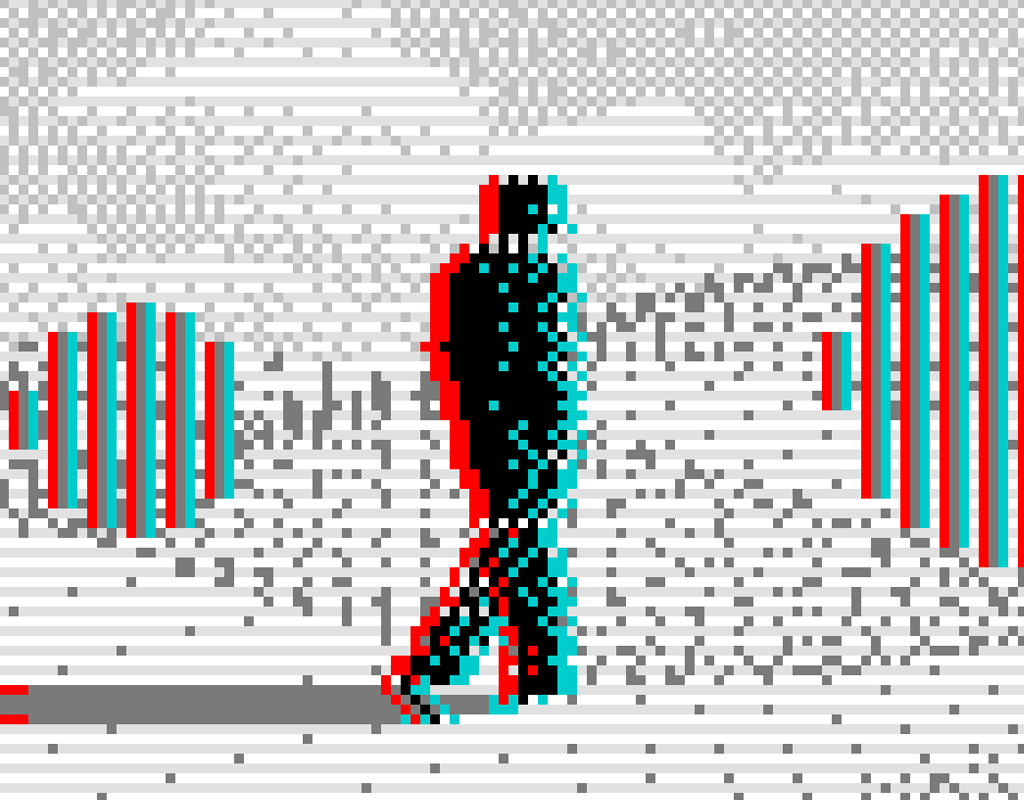
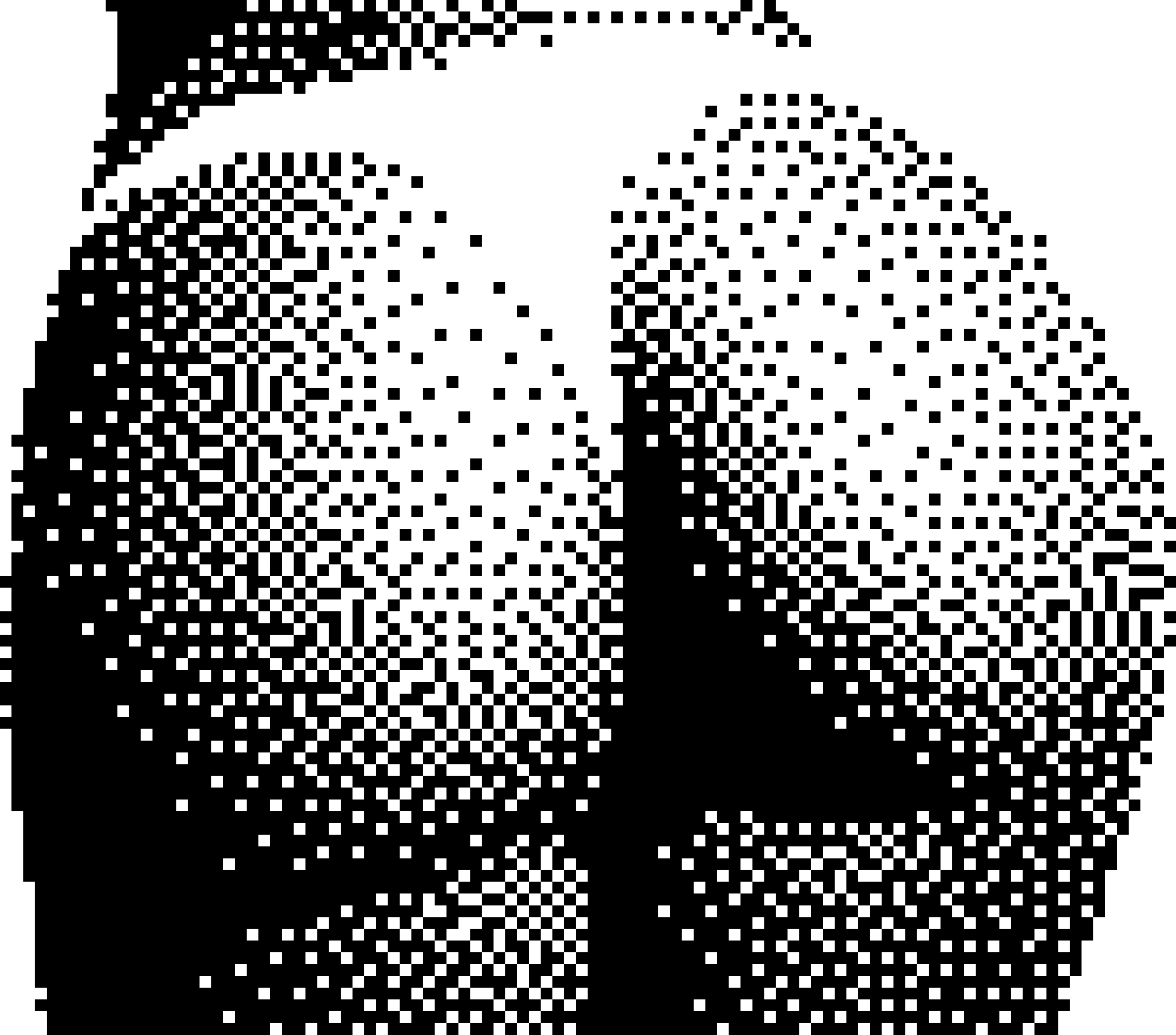
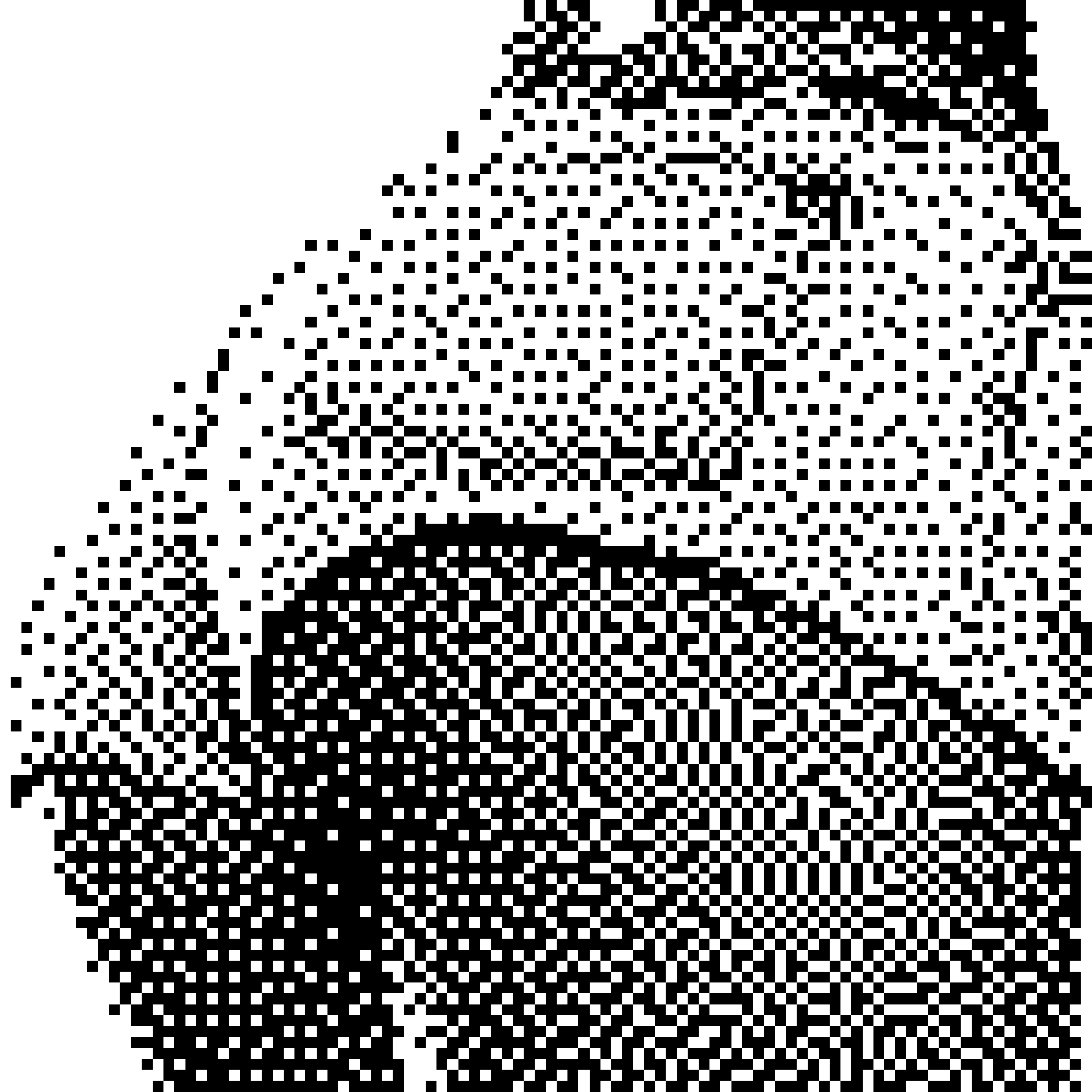
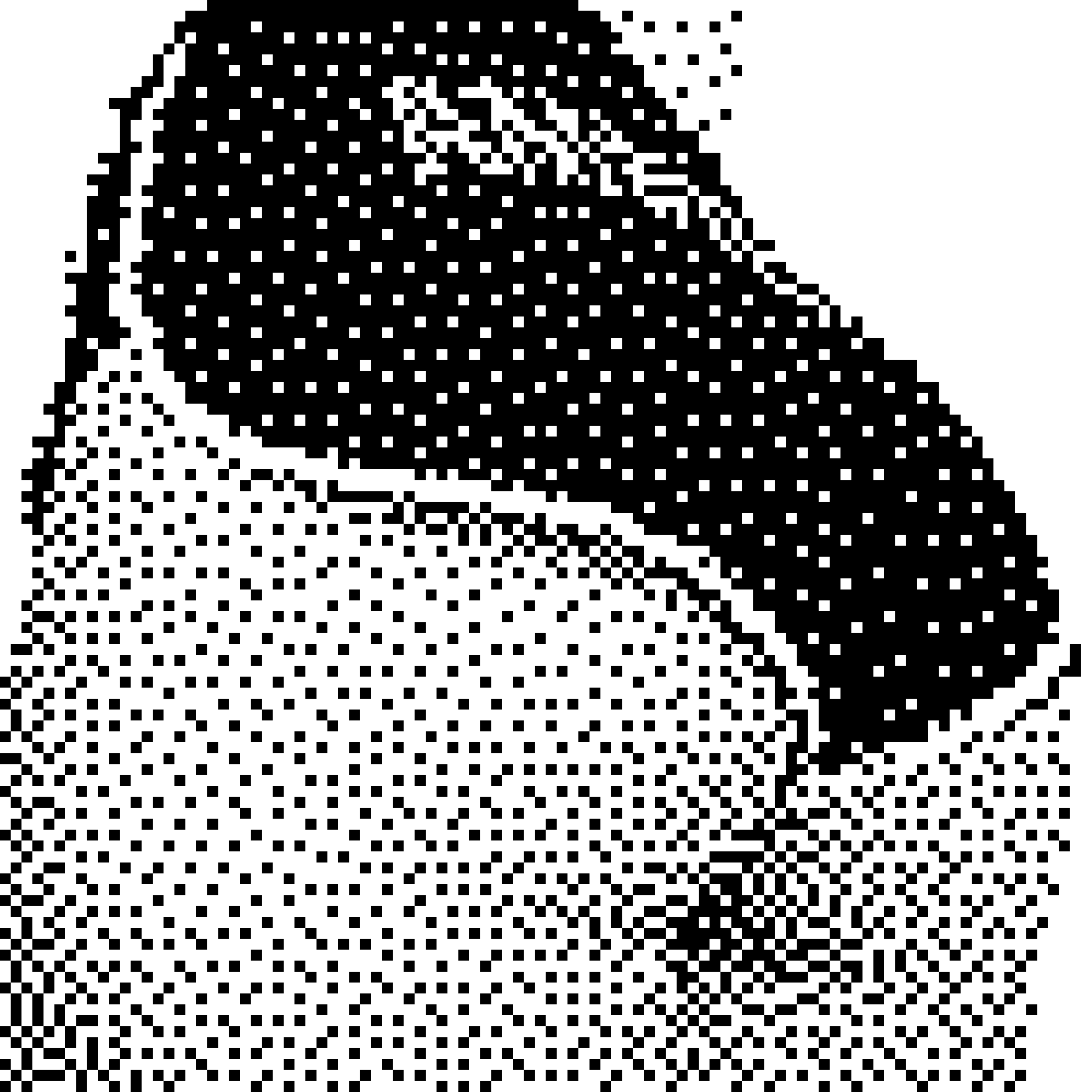
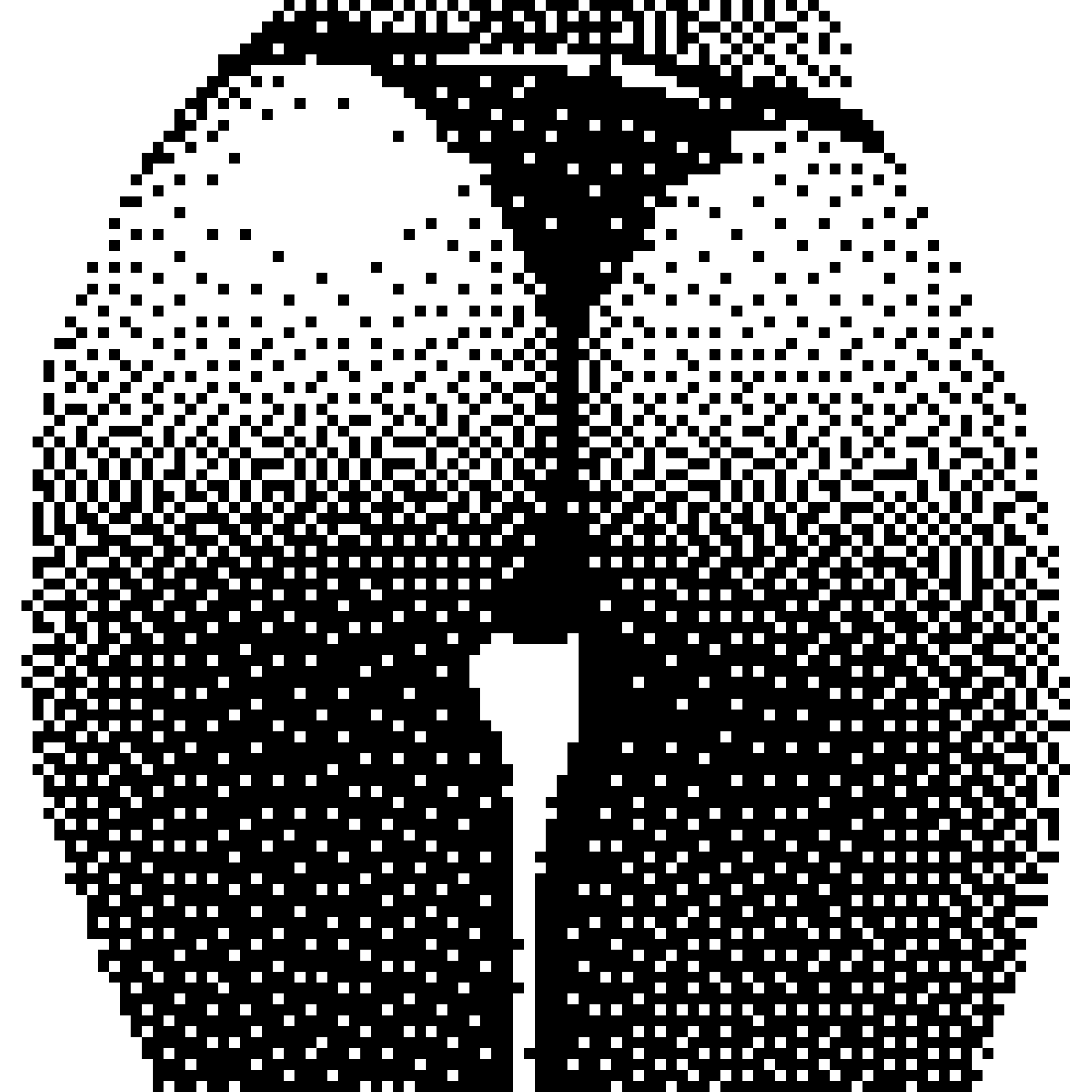
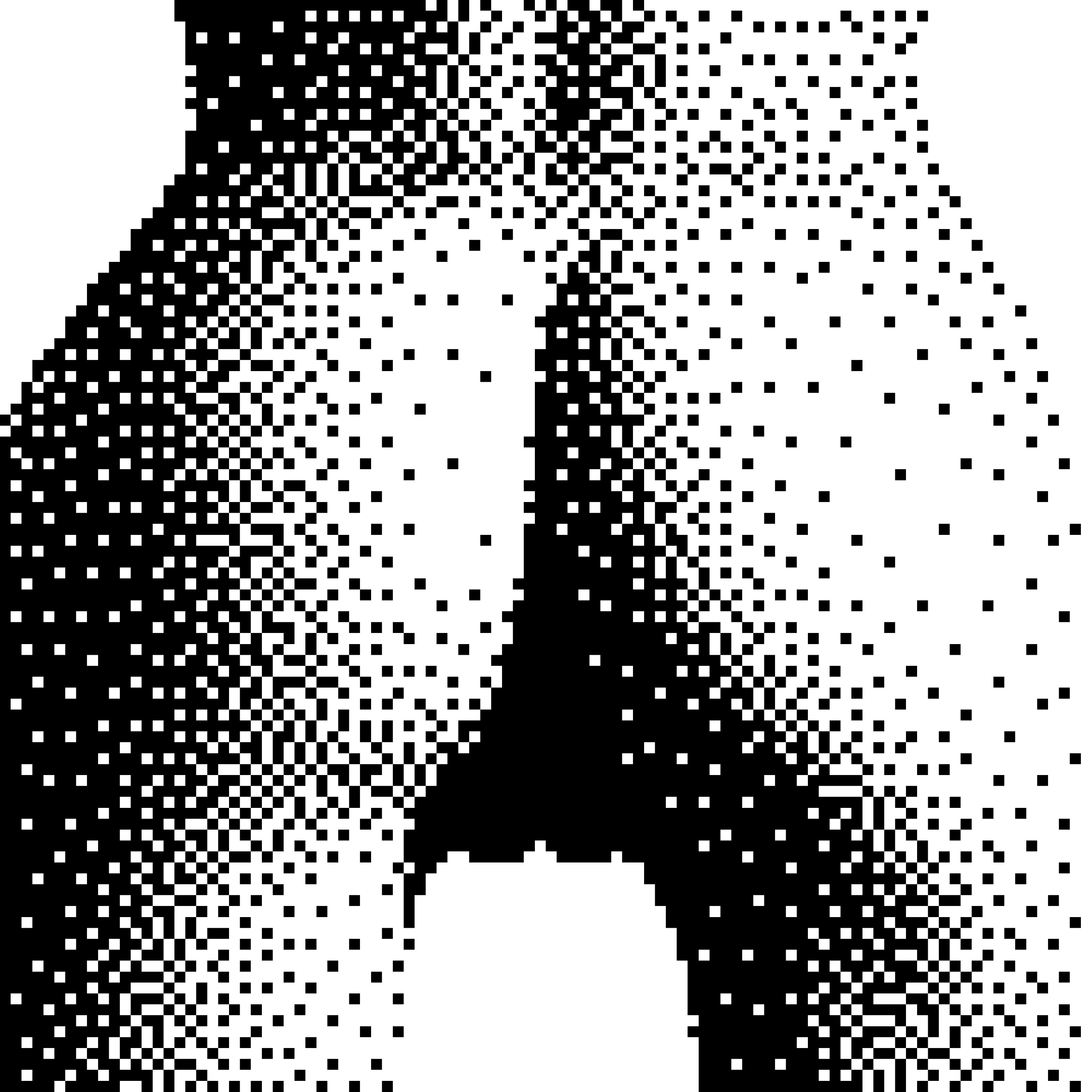
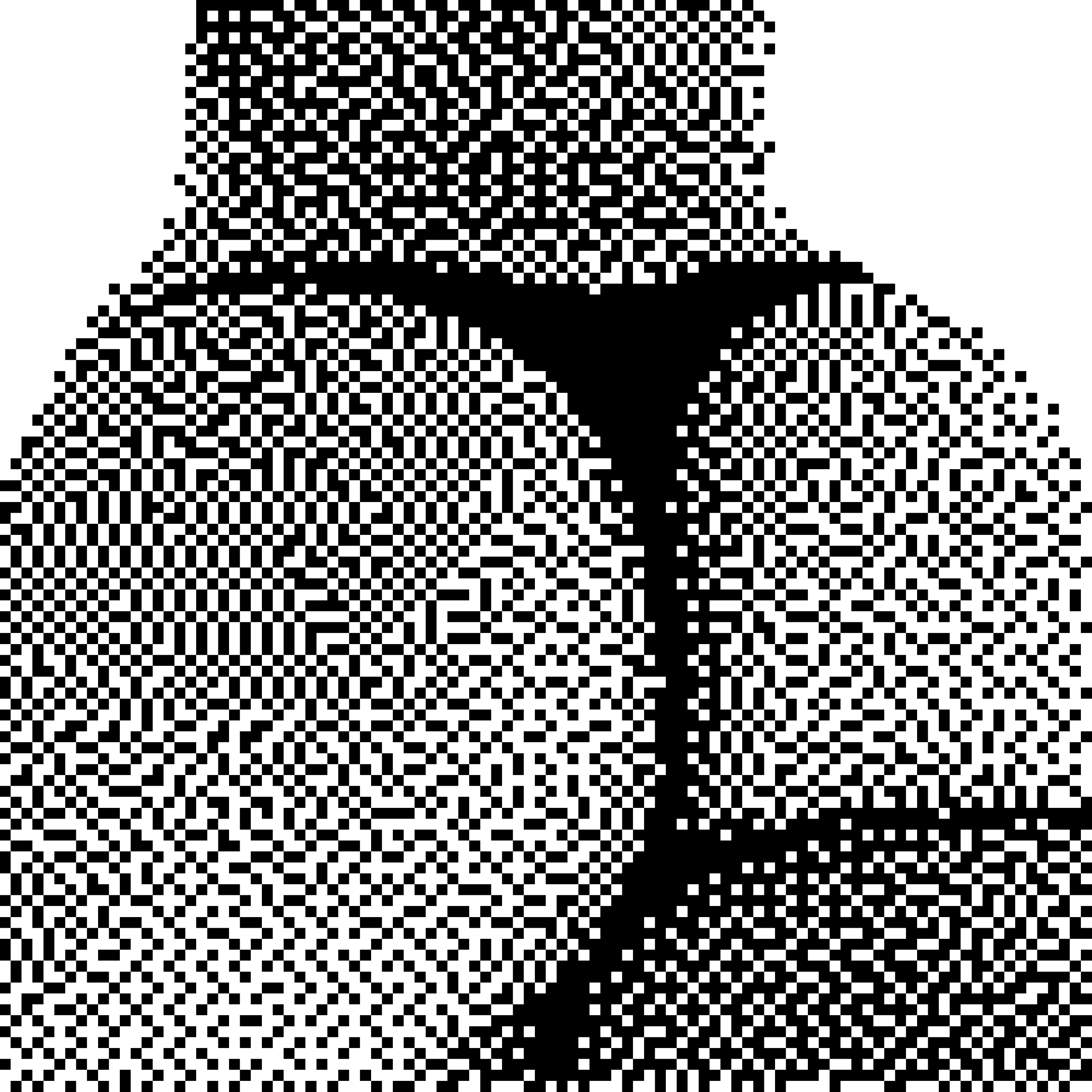
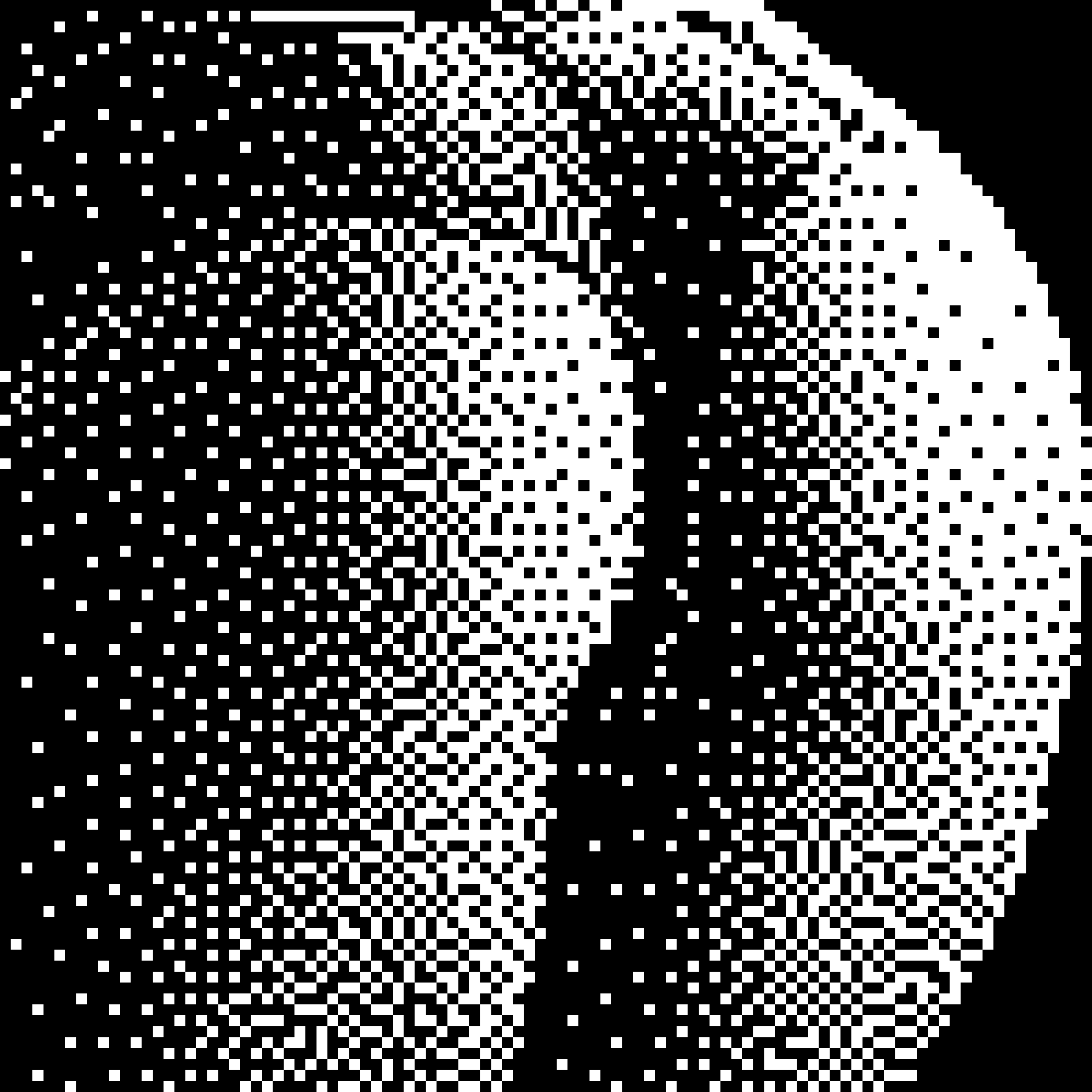
Parallel to the JesusCrypto archive, PixelArt tokenized several original image matrices connected to his physical mosaic practice.

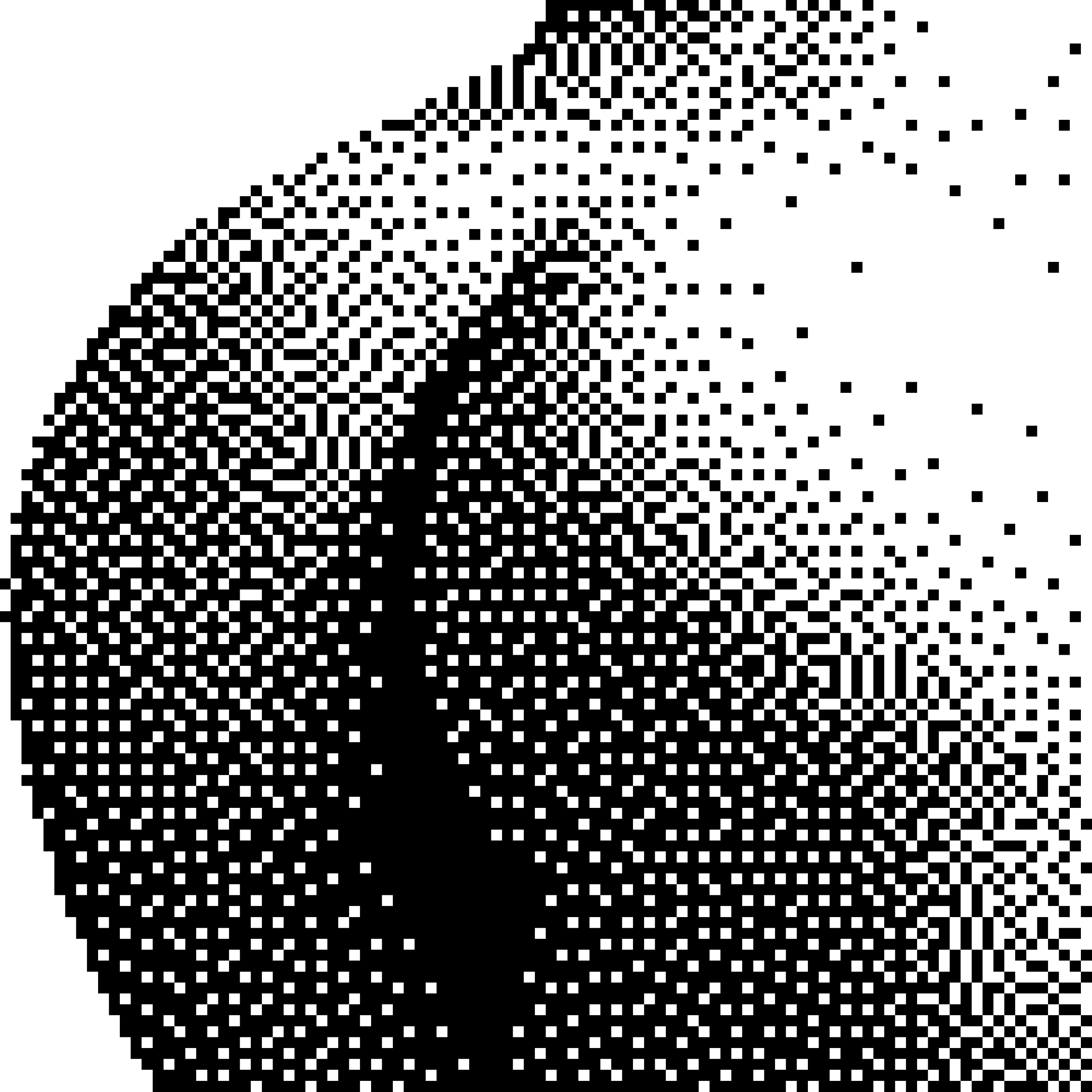
Among them were the original digital structures used for works such as the Serge Gainsbourg House intervention in Paris, Beethoven, I Want To Believe and Mona Lisa Pixel Remix.

Rather than treating NFTs as independent artworks, these experiments explored blockchain as a secondary layer of existence, allowing original image structures to circulate independently from their physical manifestations while preserving authorship and provenance.

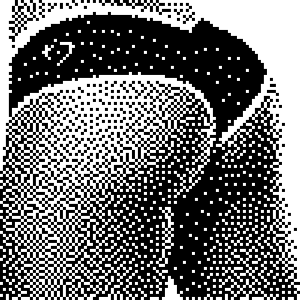
nft pixel matrices by pixelart

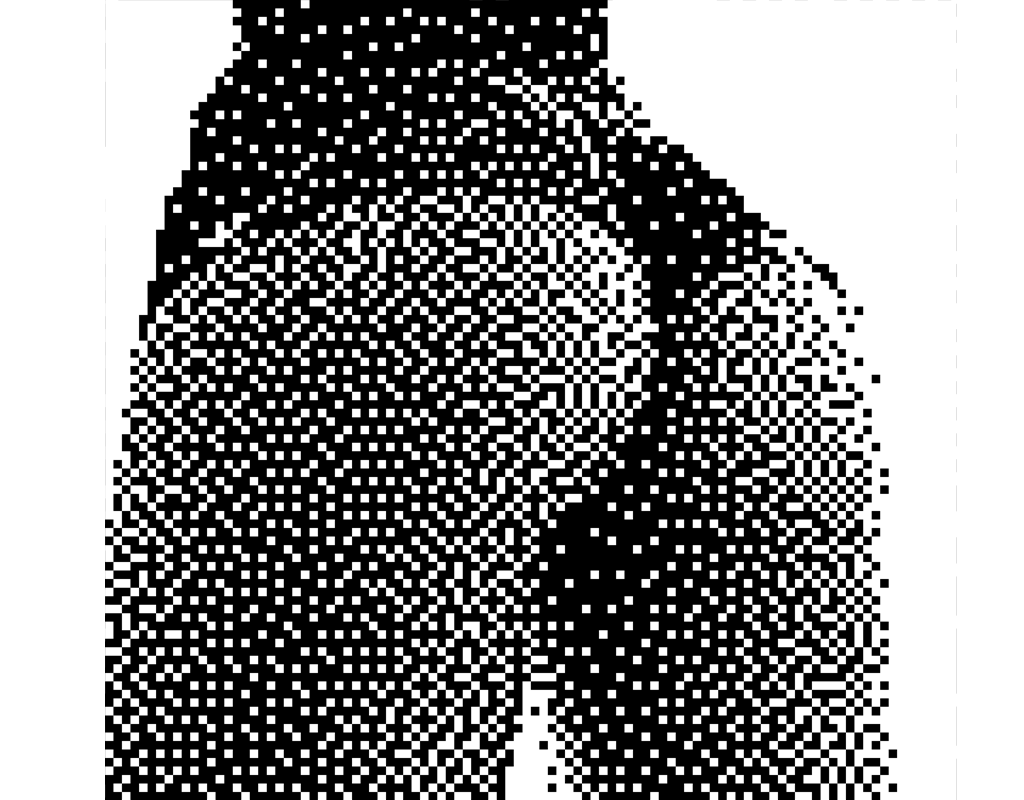
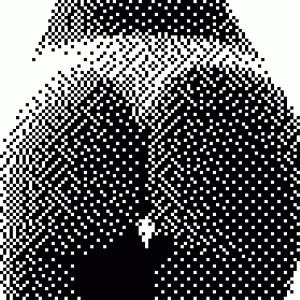
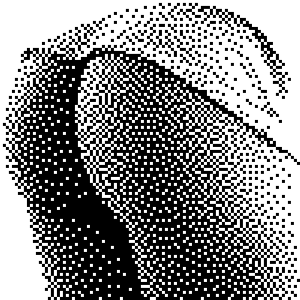
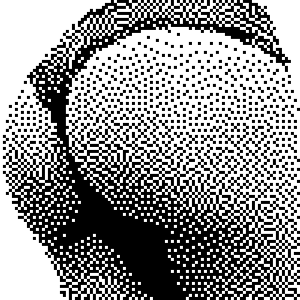
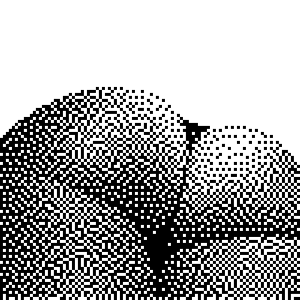
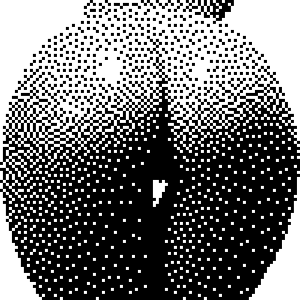
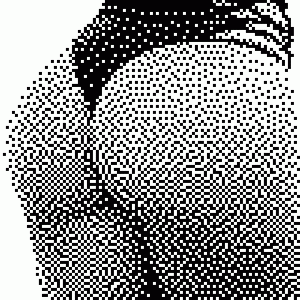
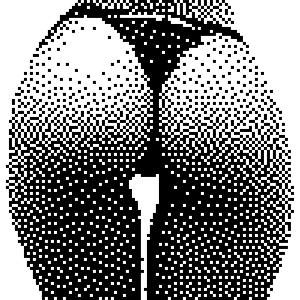
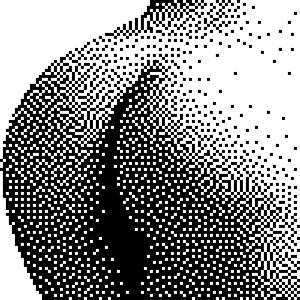
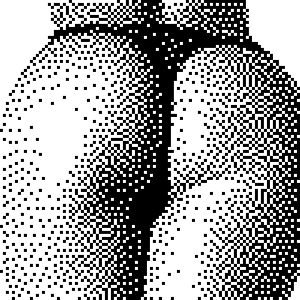
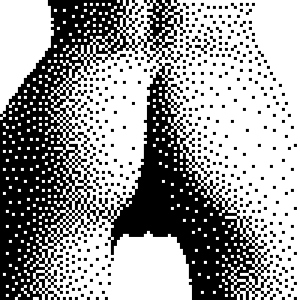
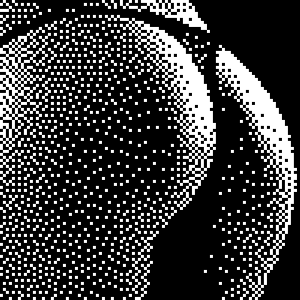
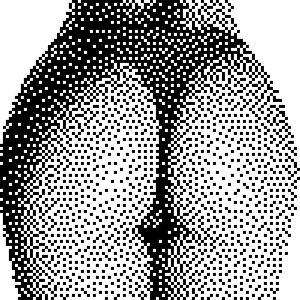
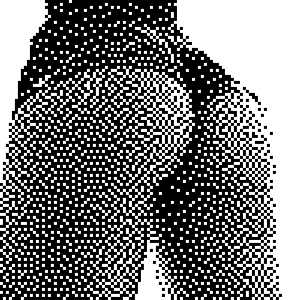
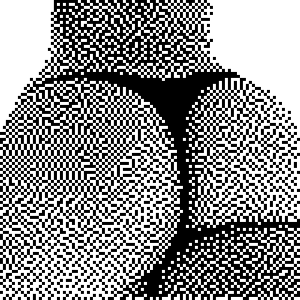
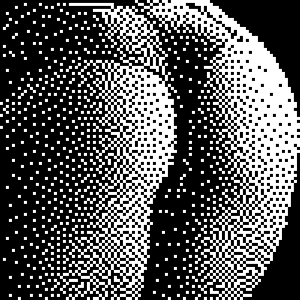
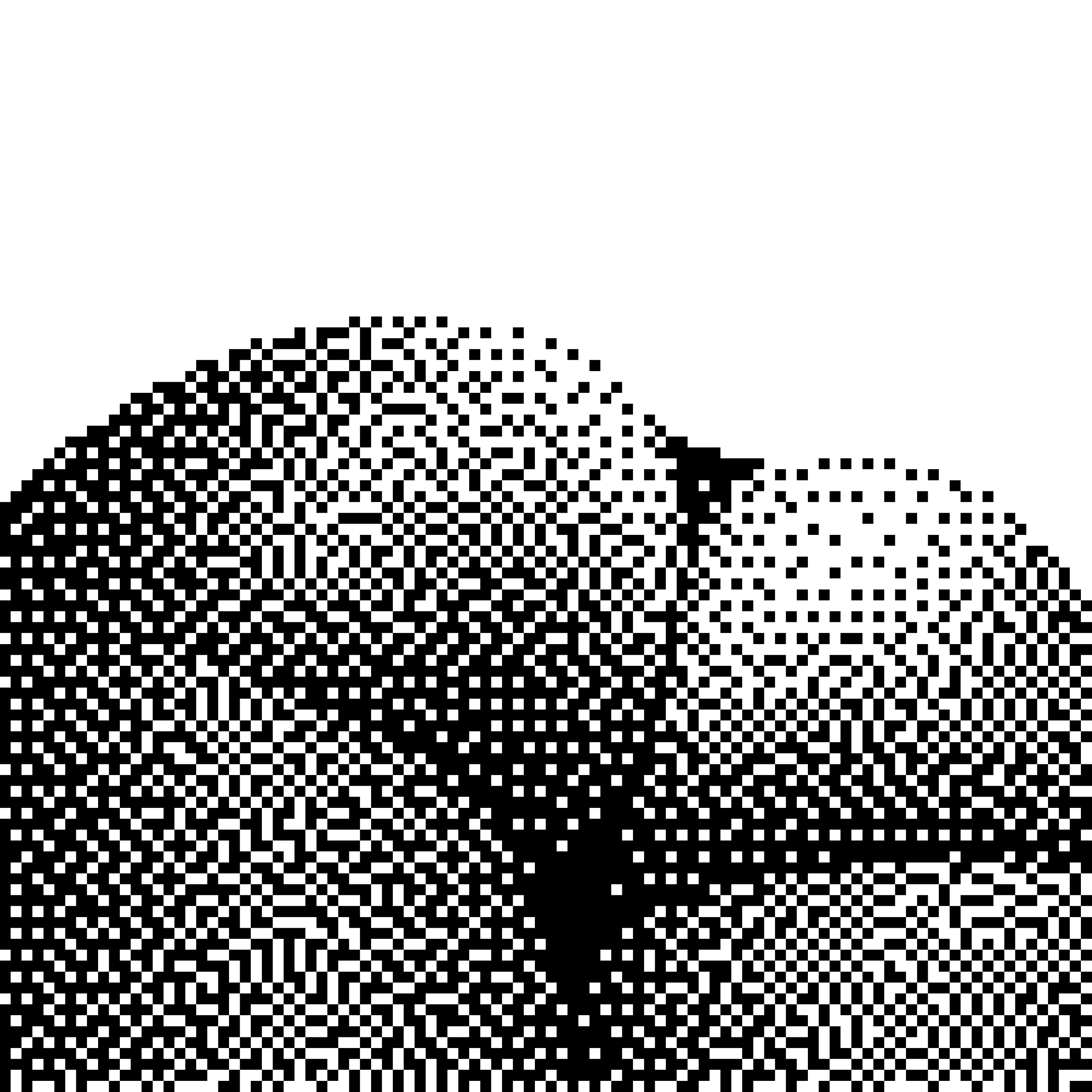
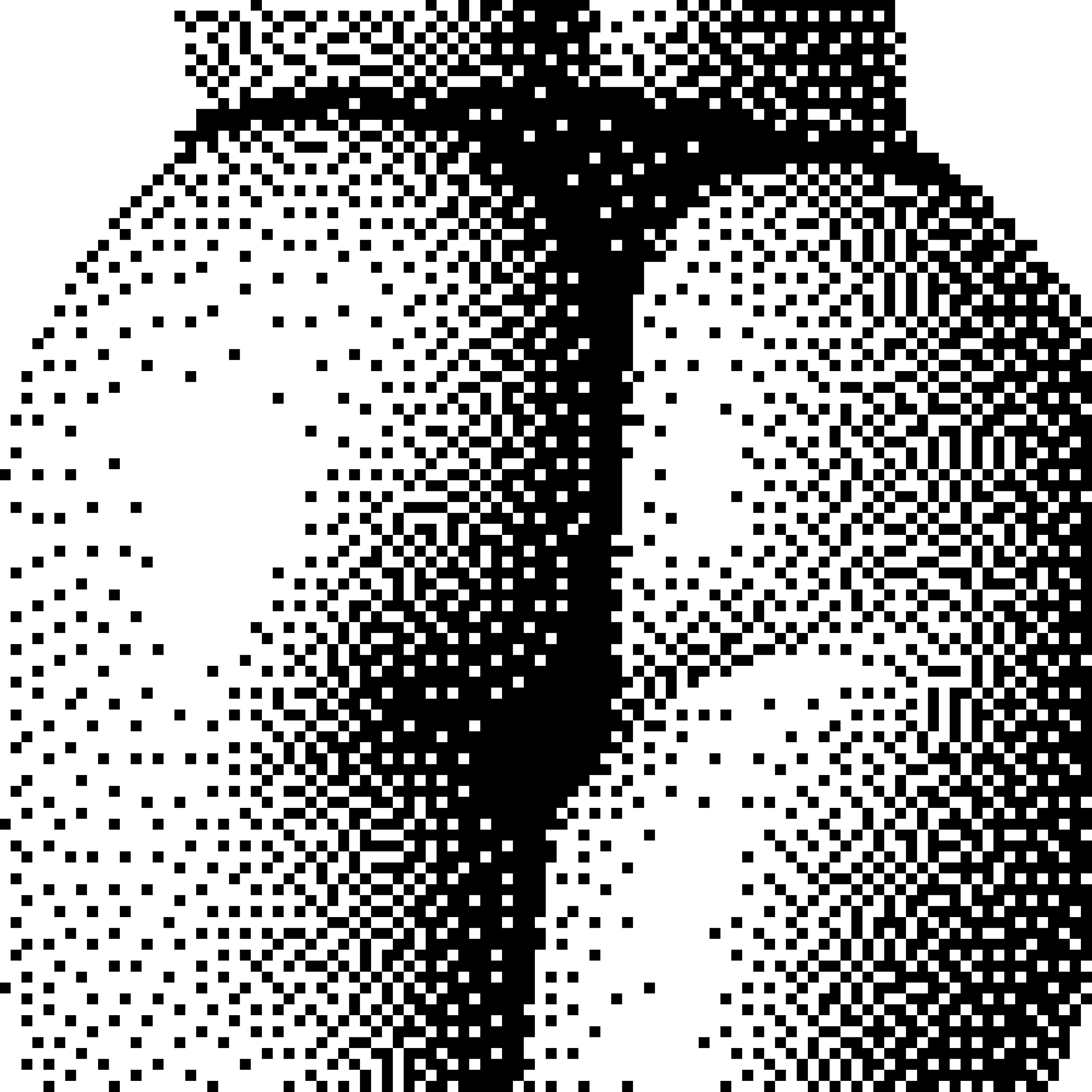
nft alphabetical butts by pixelart

SYSTEM 03

ALPHABET OF DESIRE

Autocensorship, language and collectible image systems

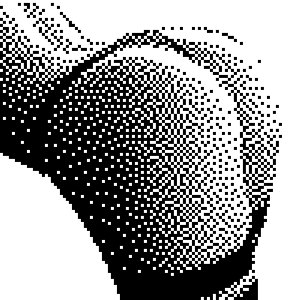
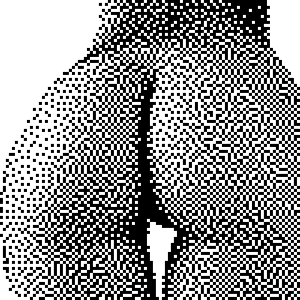
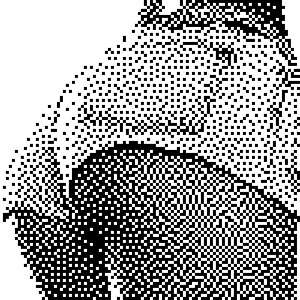
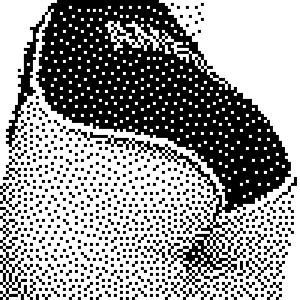
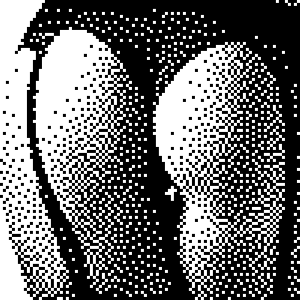
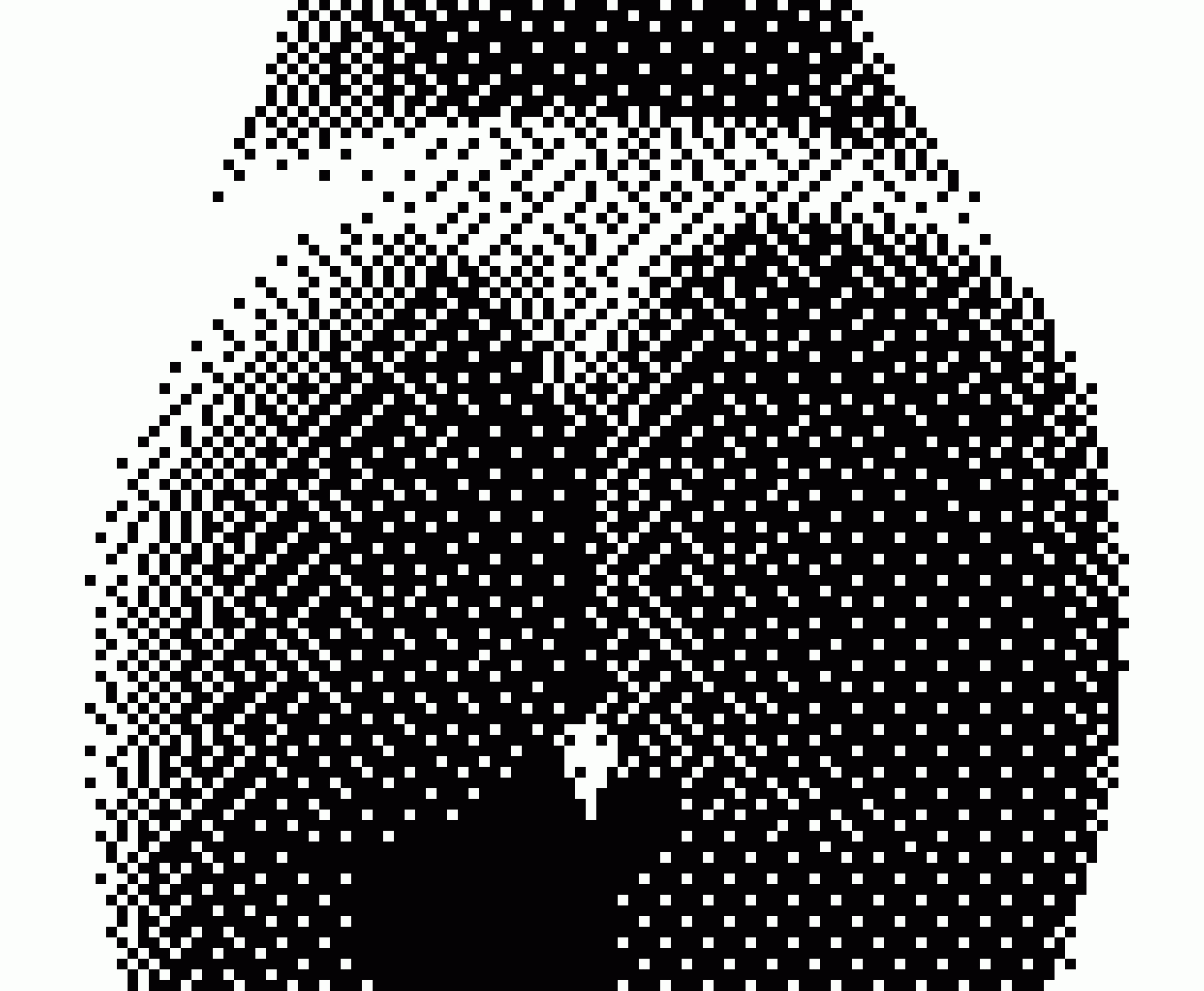
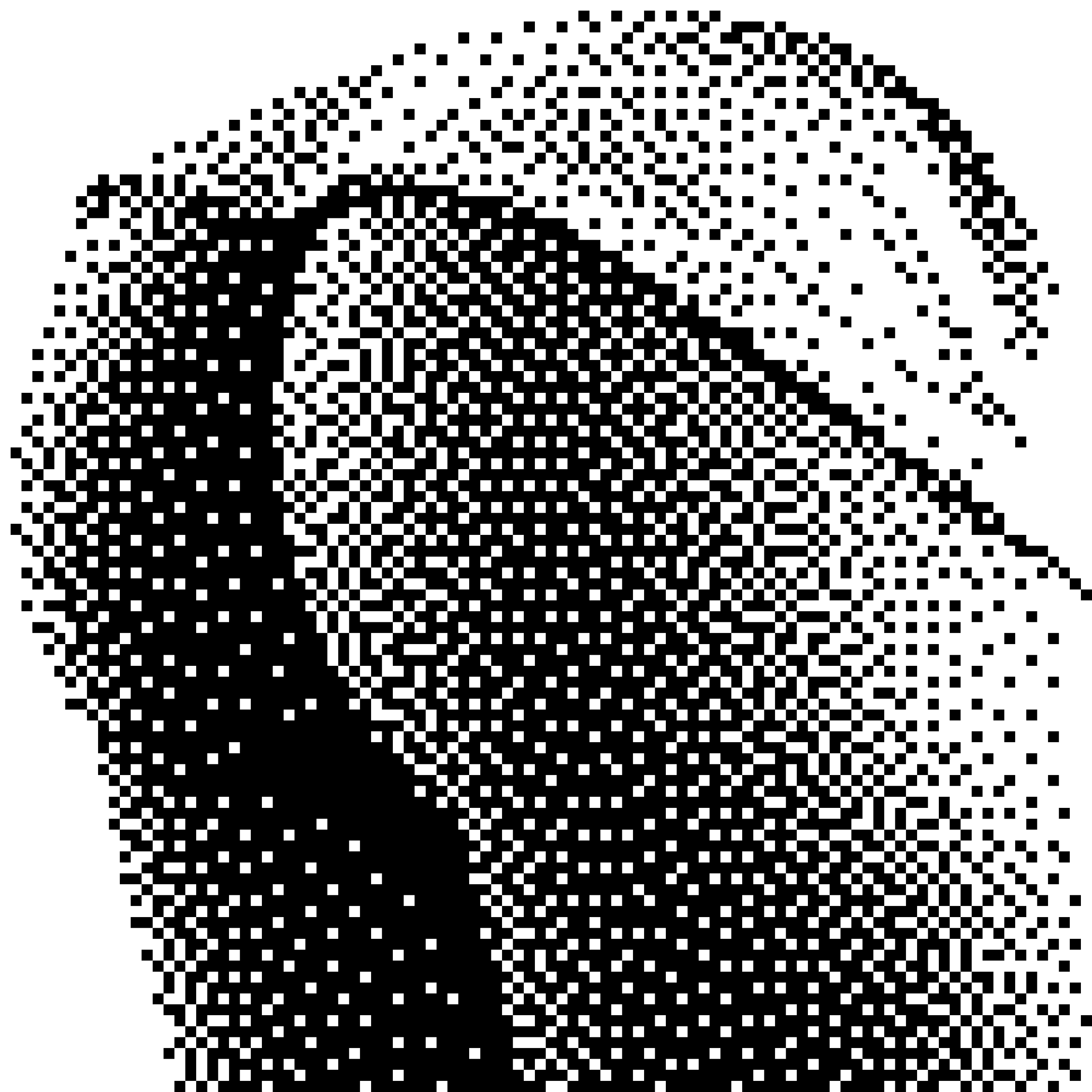
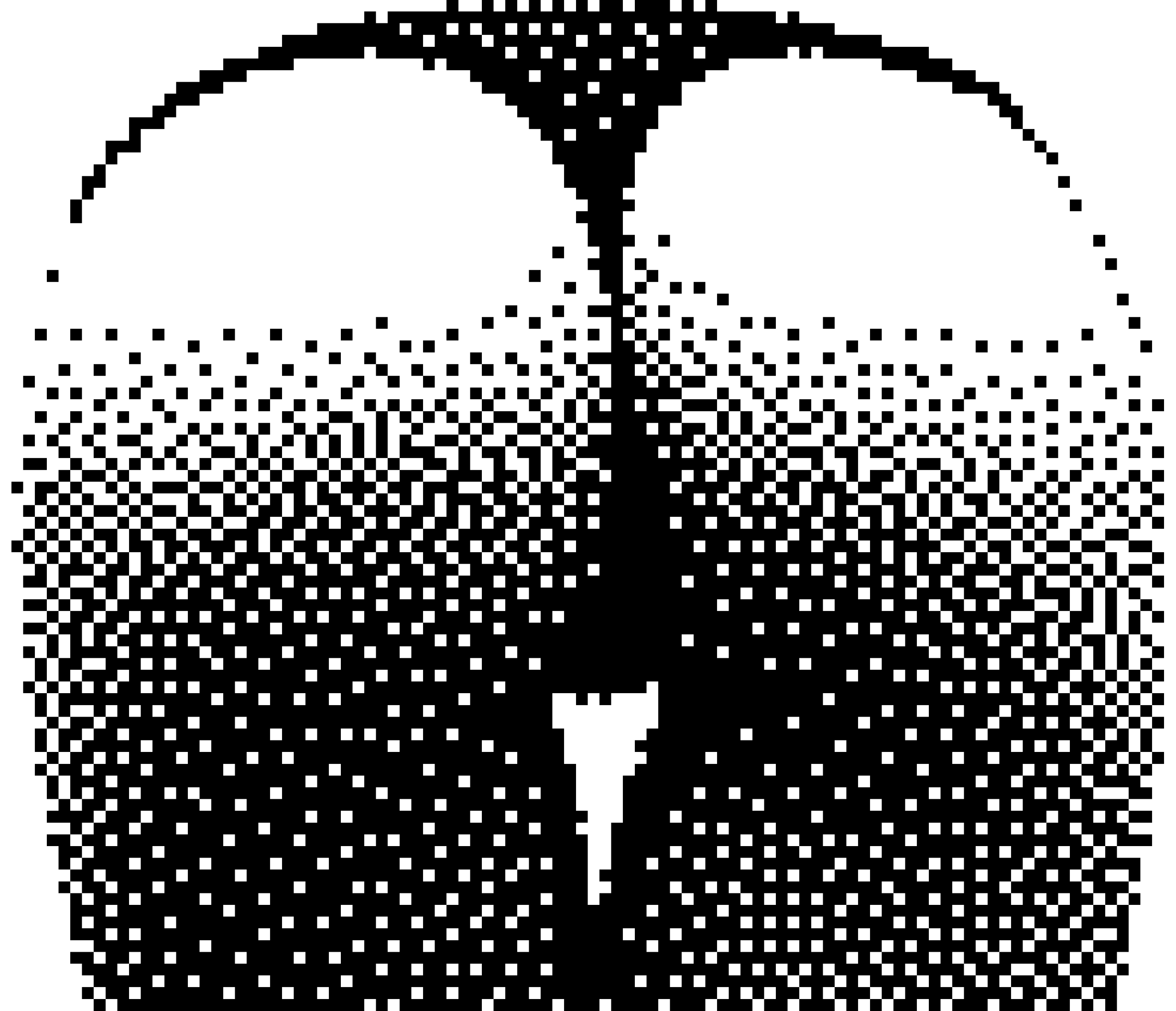
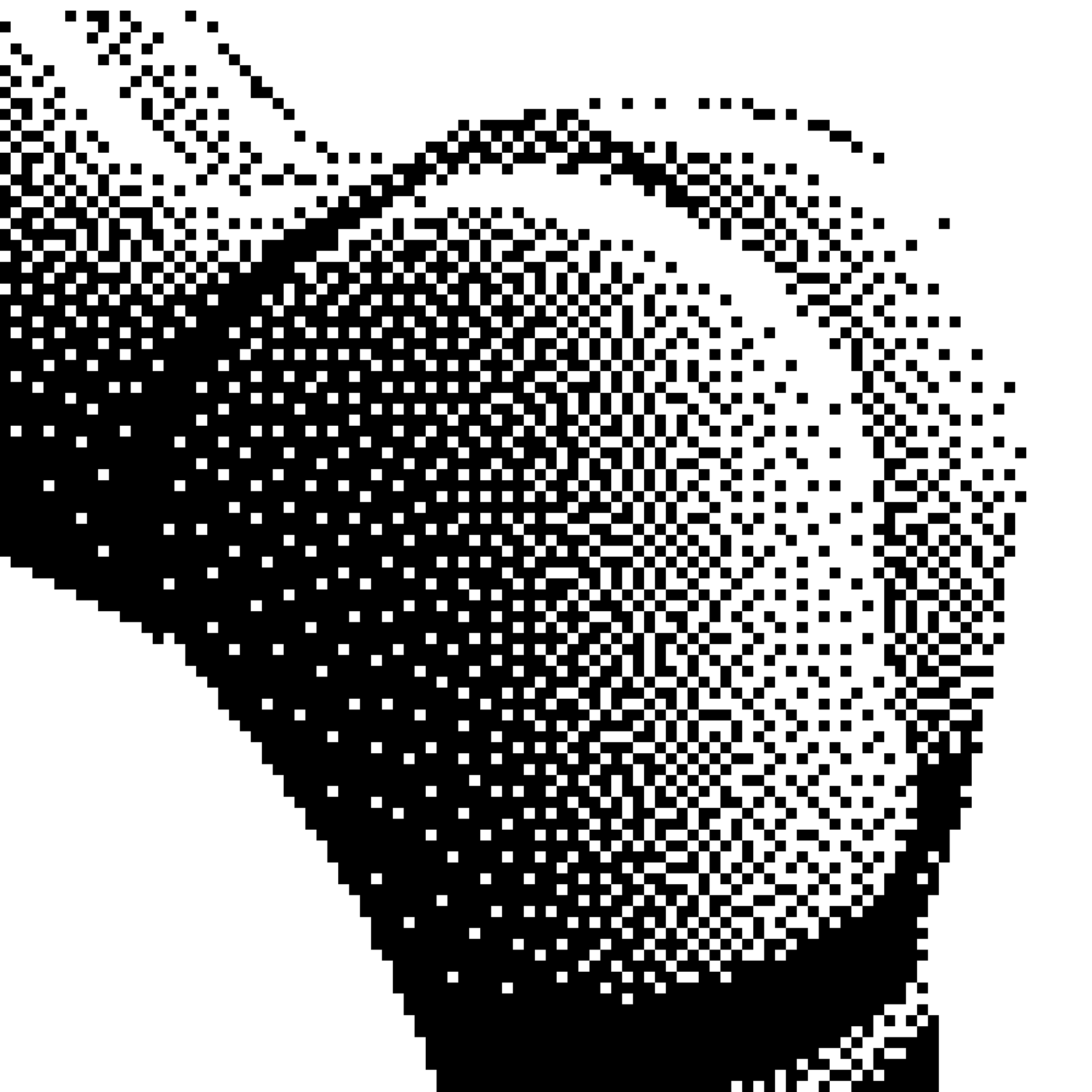
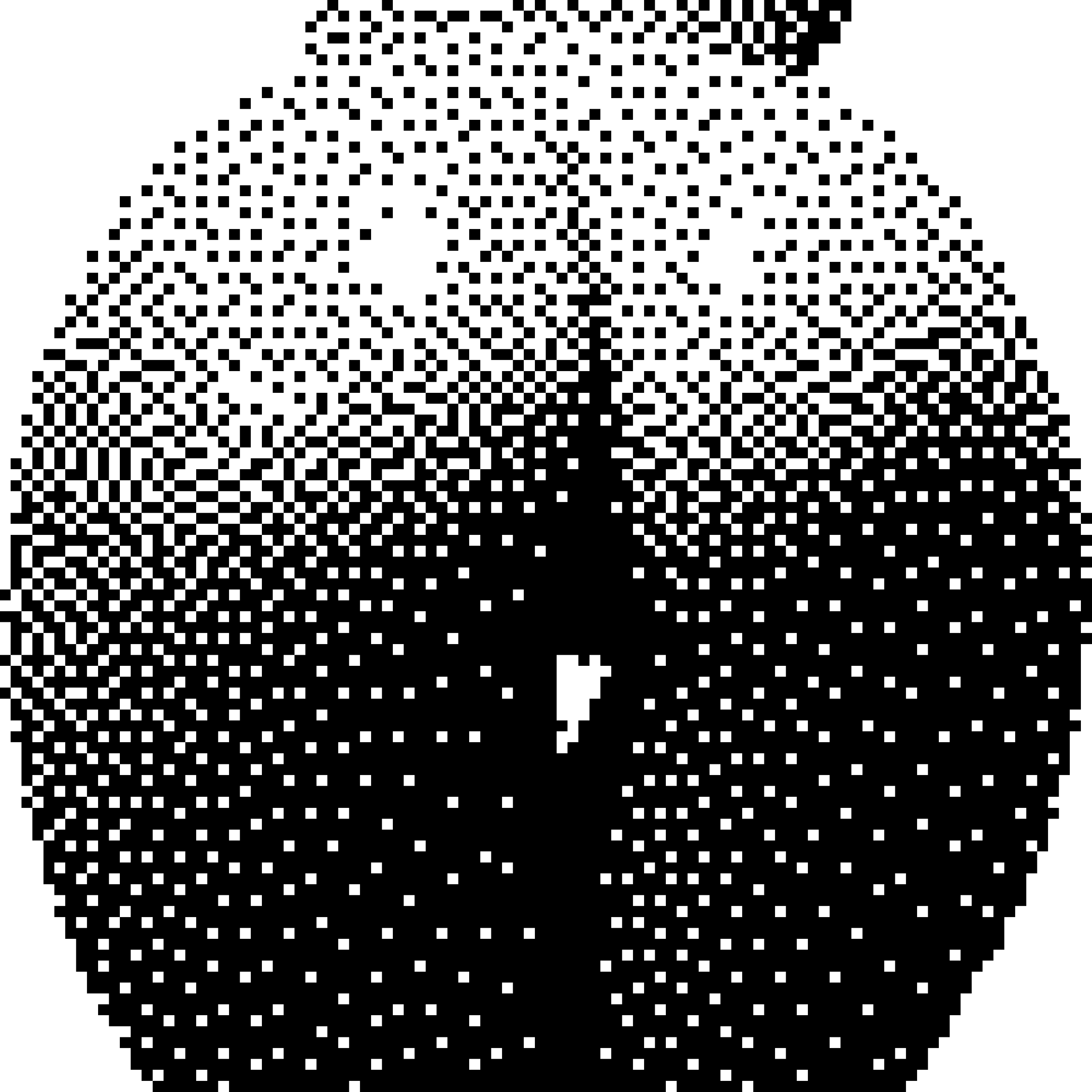
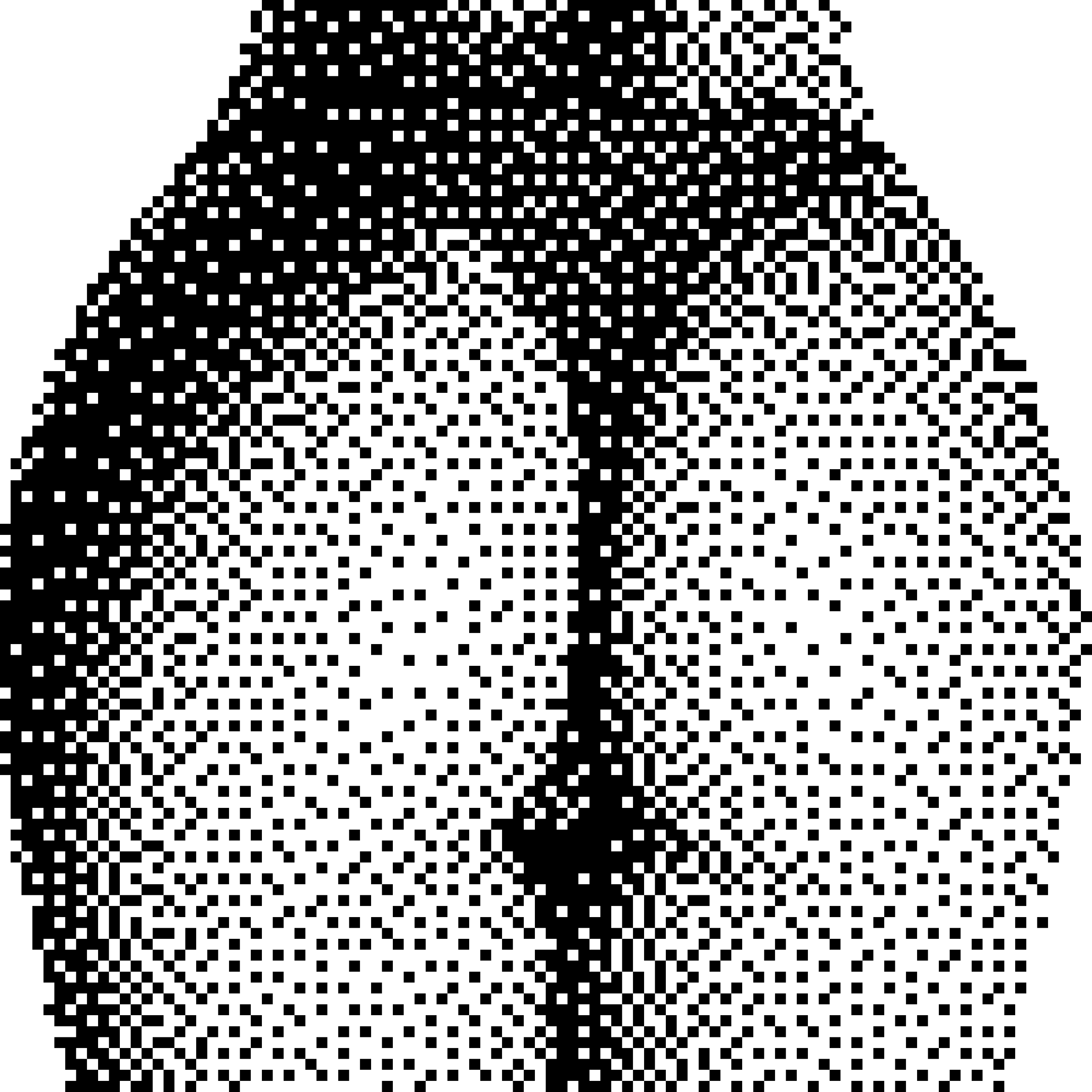
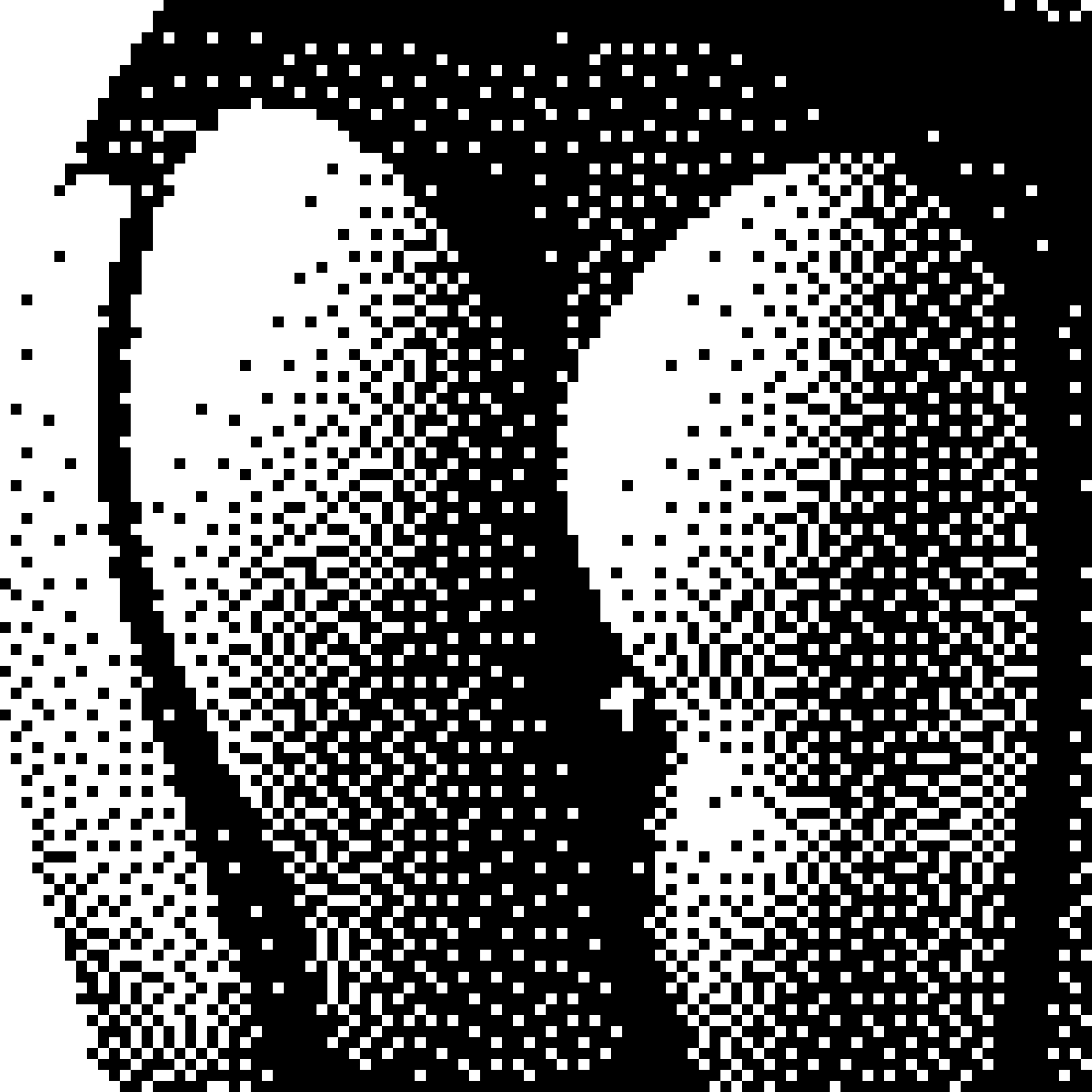
This experimental archive transformed the alphabet into a series of erotic pixel constructions, assigning a unique image to each letter.
Composed of only 26 works, the project investigated the tension between visibility, censorship and digital desire, using humor and reduction as tools for symbolic transformation.
Operating simultaneously as collectible object, visual alphabet and conceptual archive, the series extended PixelArt’s exploration of how cultural meaning can emerge from minimal pixel structures.

The pixel as occupation
PIXEL-BASED SYSTEMS INVESTIGATING IMAGE PERSISTENCE, SYMBOLIC INVOCATION AND THE MATERIAL RECONSTRUCTION OF MEMORY.
Desplazamiento al inicio