header lollapalooza kidzapalooza pixel intervention
Pixel Architecture and Participatory Play

Kidzapalooza 2016

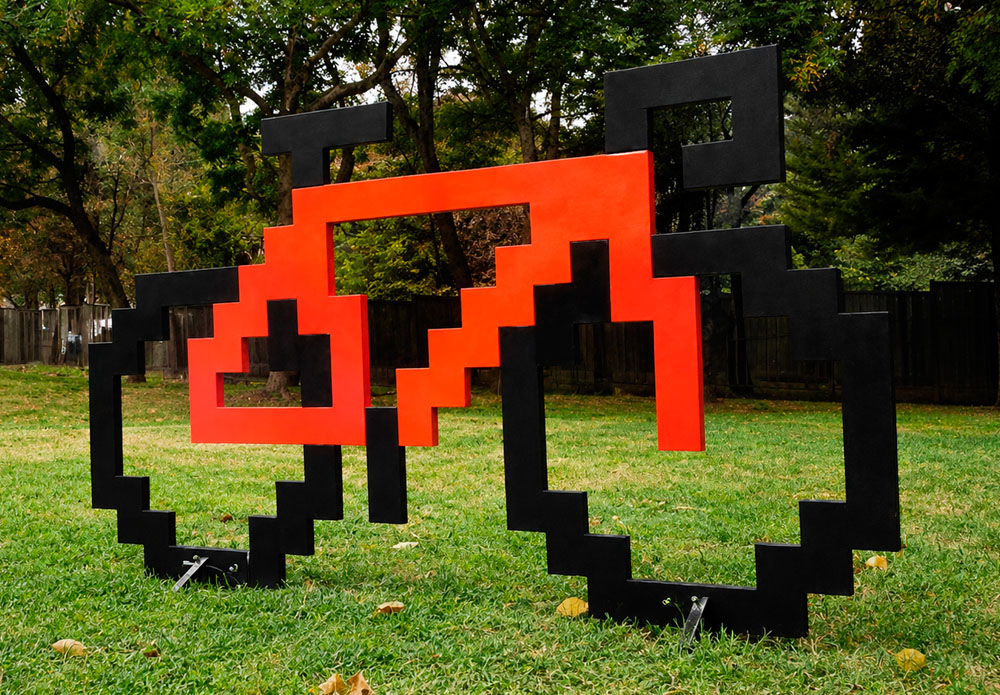
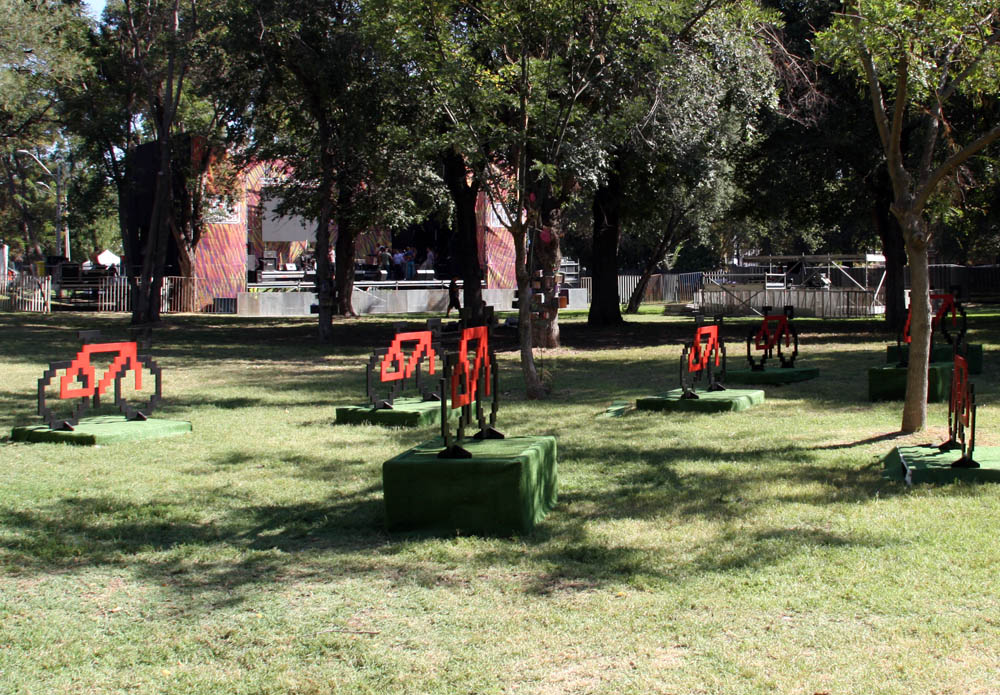
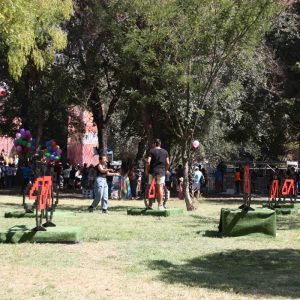
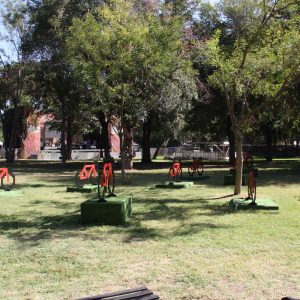
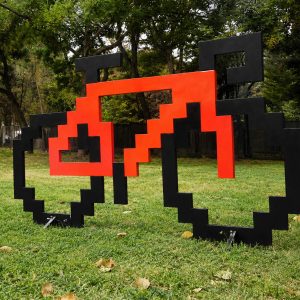
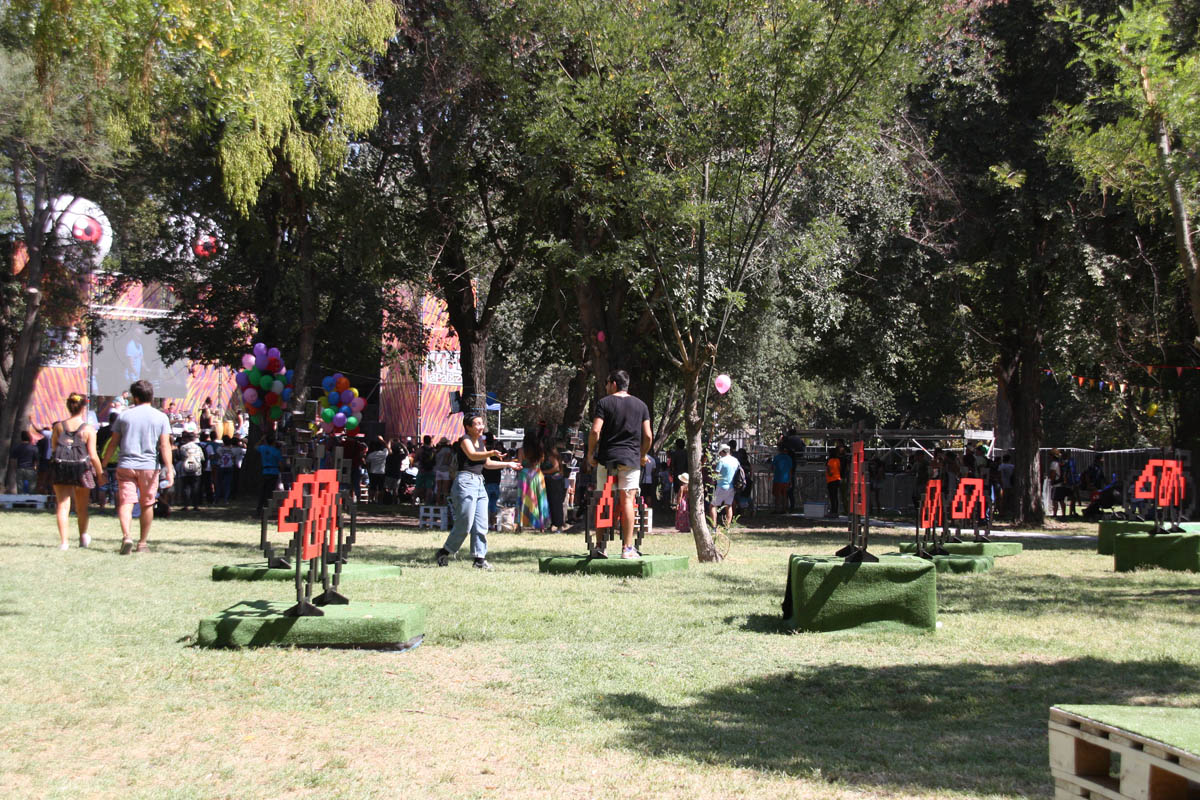
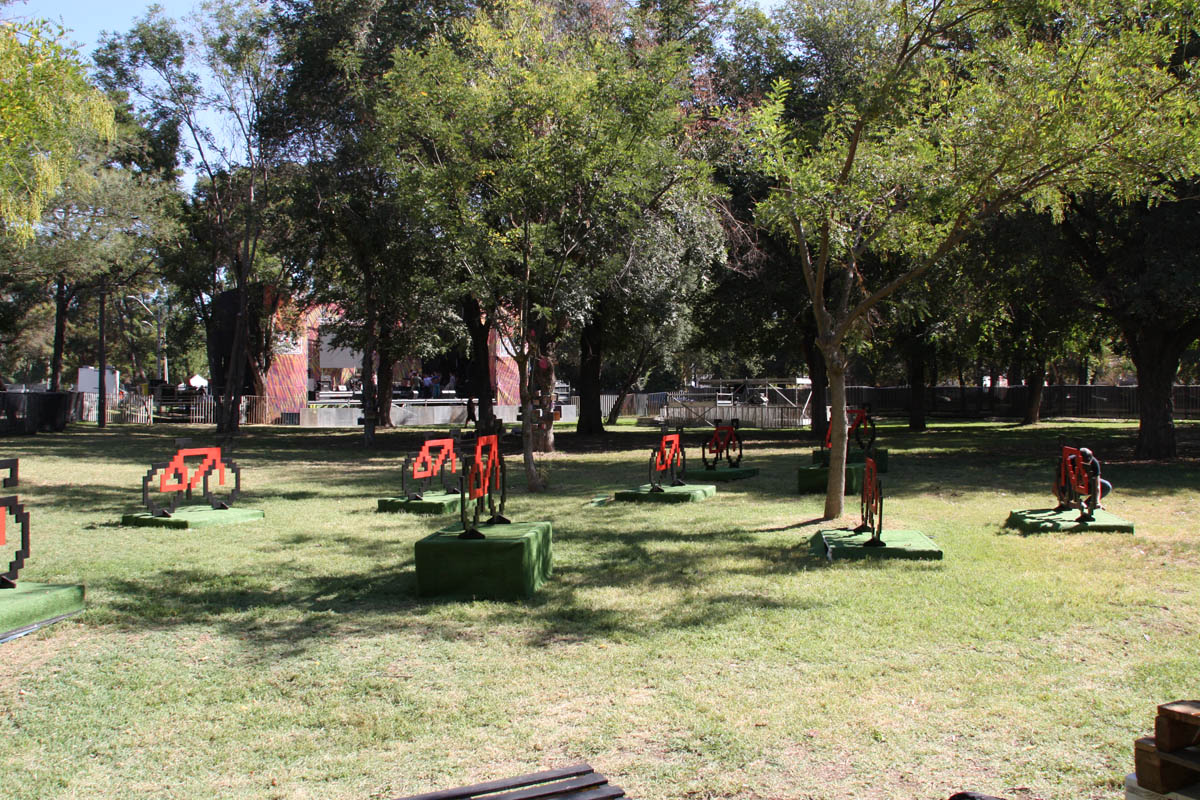
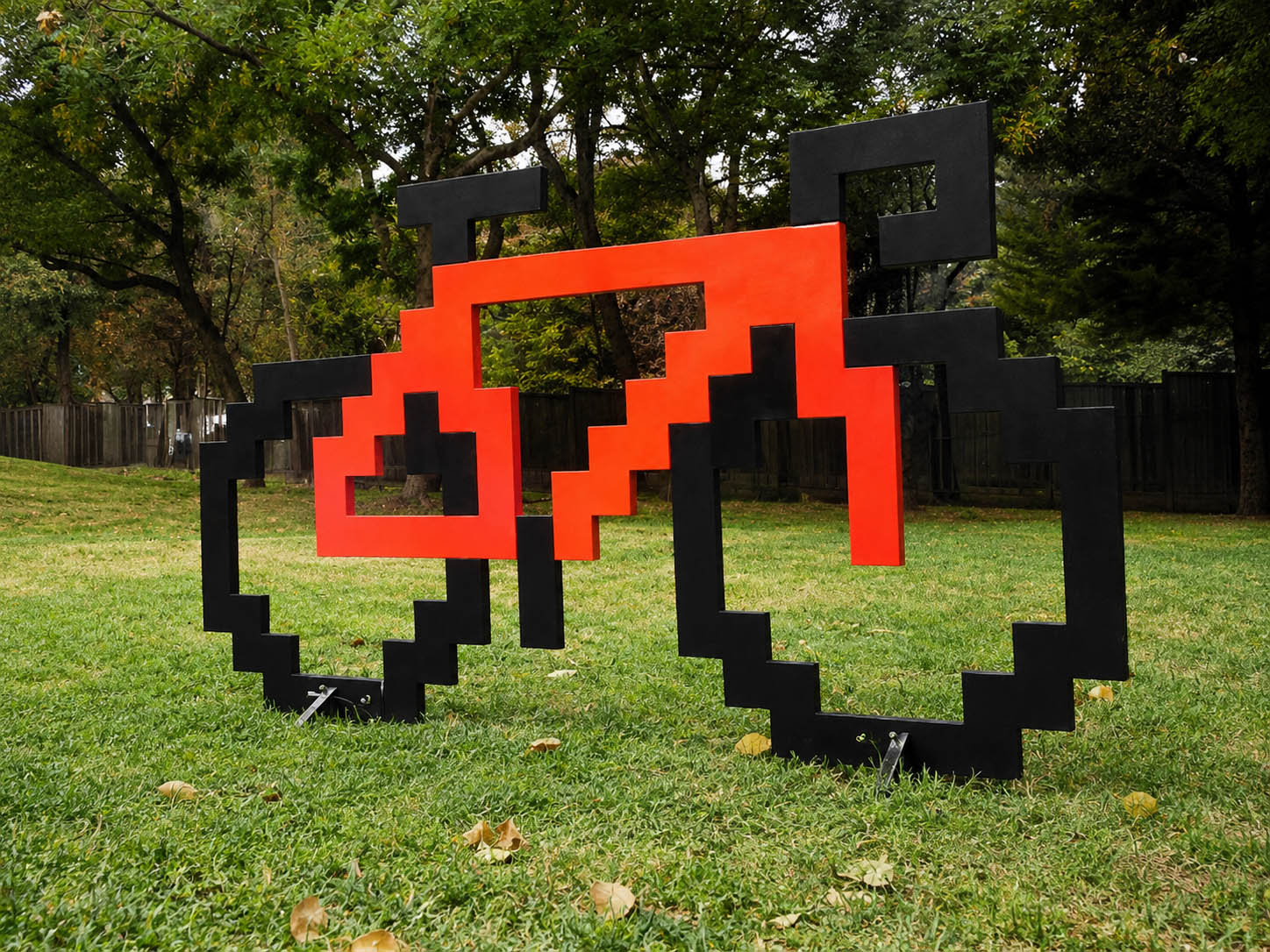
Developed for Kidzapalooza 2016, the installation consisted of ten large-scale pixel bicycles constructed from CNC-cut wooden components and assembled as freestanding structures throughout the festival grounds. Each bicycle translated a familiar urban object into a simplified pixel language, transforming digital geometry into physical form.


lollapalooza bicycle pixel intervention kidzapalooza

Rather than functioning as conventional sculptures, the bicycles operated as spatial image systems. Visitors encountered them not only as visual objects but as architectural markers distributed across the landscape, creating a network of recognizable forms that activated the public space through repetition and scale.

The project extended the artist’s ongoing investigation into the migration of images between digital and physical environments. Here, the pixel abandoned both the screen and the wall to become a structural element capable of occupying three-dimensional space. What normally exists as a unit of representation was transformed into a construction module capable of generating volume, presence and interaction.

Installed within one of the largest cultural festivals in Latin America, the work was designed specifically for a younger audience. The bicycles functioned simultaneously as sculptures, landmarks and photographic points, encouraging visitors to engage with the work through movement, discovery and participation.

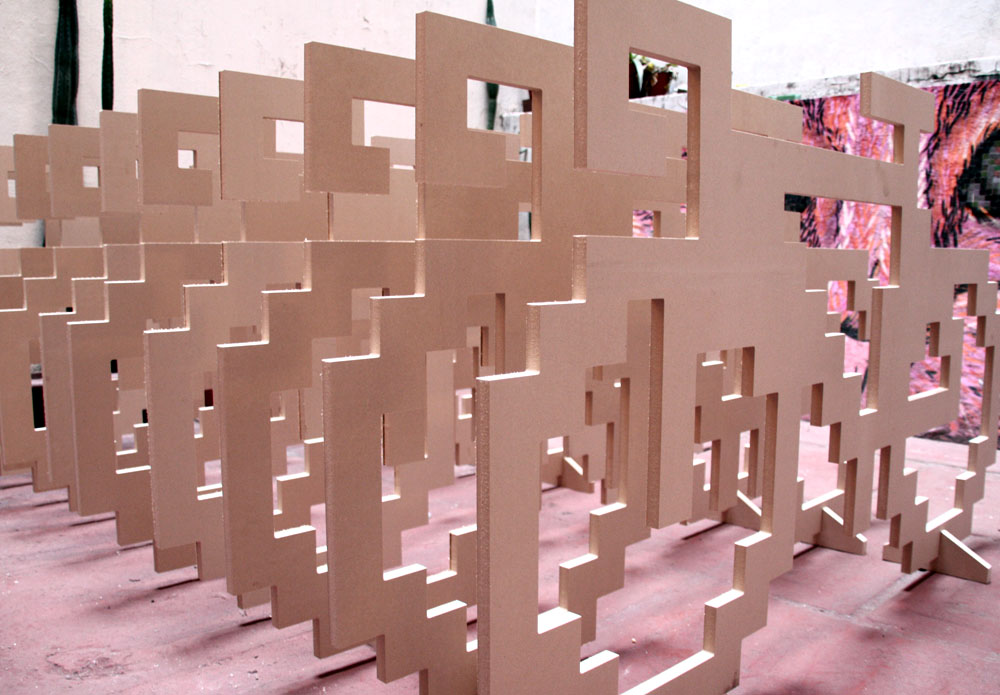
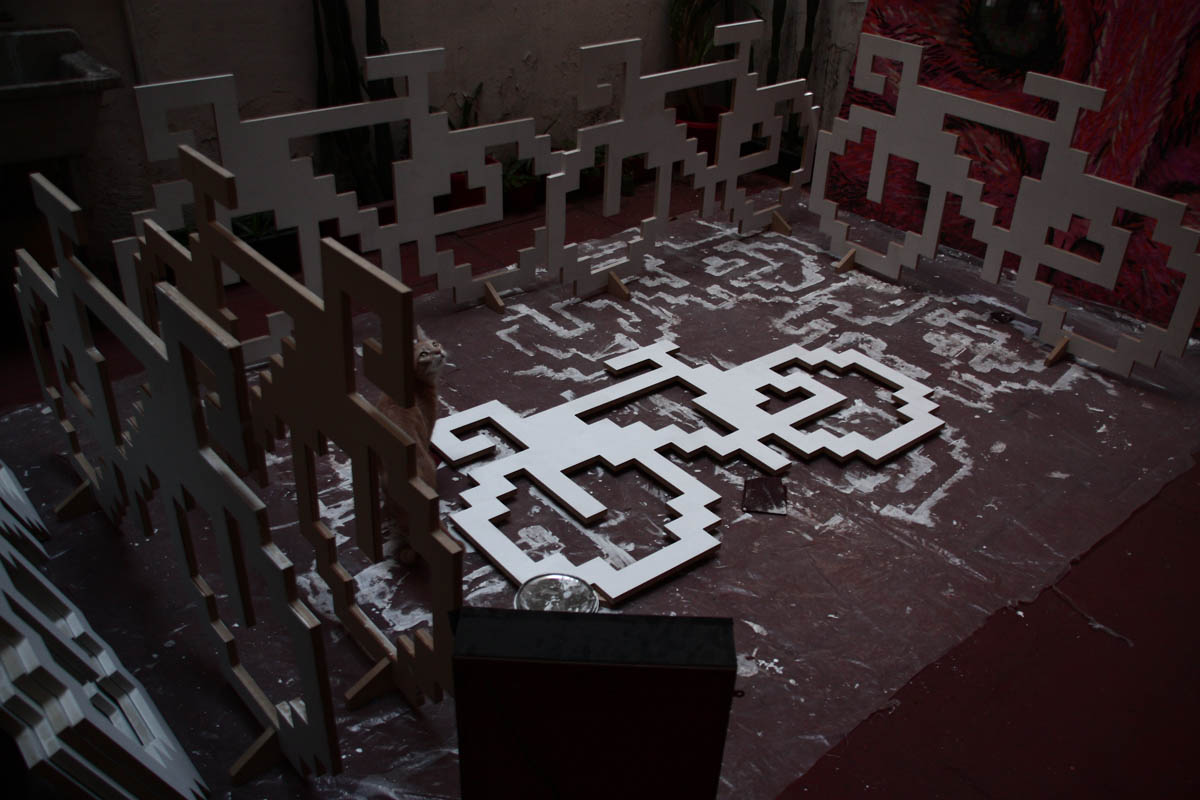
Materially, the project combined digital fabrication and manual finishing. The structures were first cut using CNC technology and later painted by hand with aerosol, creating a dialogue between industrial precision and the visual language of street art. This hybrid process reflected a recurring characteristic of PixelArt’s practice: the fusion of technological systems and handcrafted execution.


lollapalooza bicycle pixel intervention kidzapalooza

Within the broader evolution of the artist’s work, Kidzapalooza represents an early exploration of pixel architecture. Rather than constructing an image on a surface, the project constructed the image itself as an inhabitable object, anticipating later investigations into large-scale installations, public participation and expanded image systems.

Kidzapalooza 2016 marks an important transition in the artist’s research. While earlier projects focused on translating images into mosaics, stencils and urban interventions, this installation introduced the possibility of constructing pixels as autonomous architectural elements.

The image ceased to function as representation alone and became an object capable of occupying space, generating interaction and organizing human movement within the environment.

The pixel as occupation
PIXEL-BASED SYSTEMS INVESTIGATING IMAGE PERSISTENCE, SYMBOLIC INVOCATION AND THE MATERIAL RECONSTRUCTION OF MEMORY.
Desplazamiento al inicio